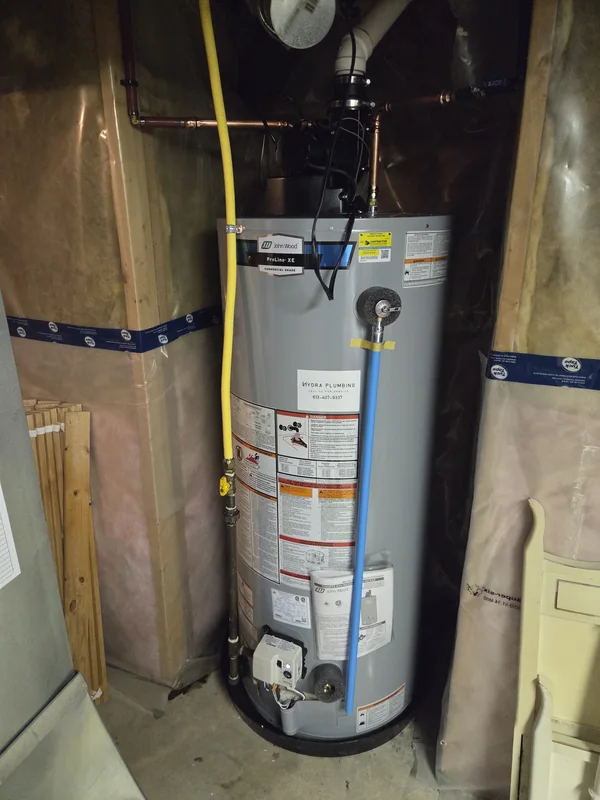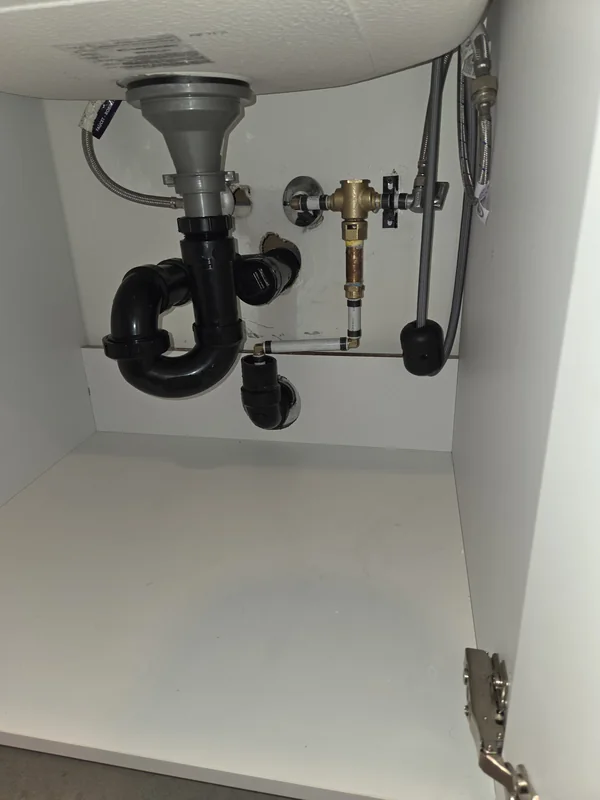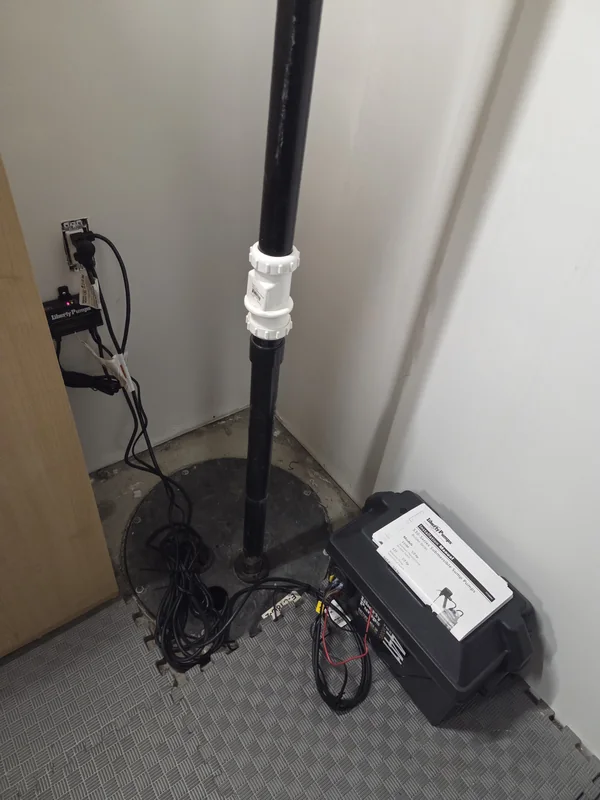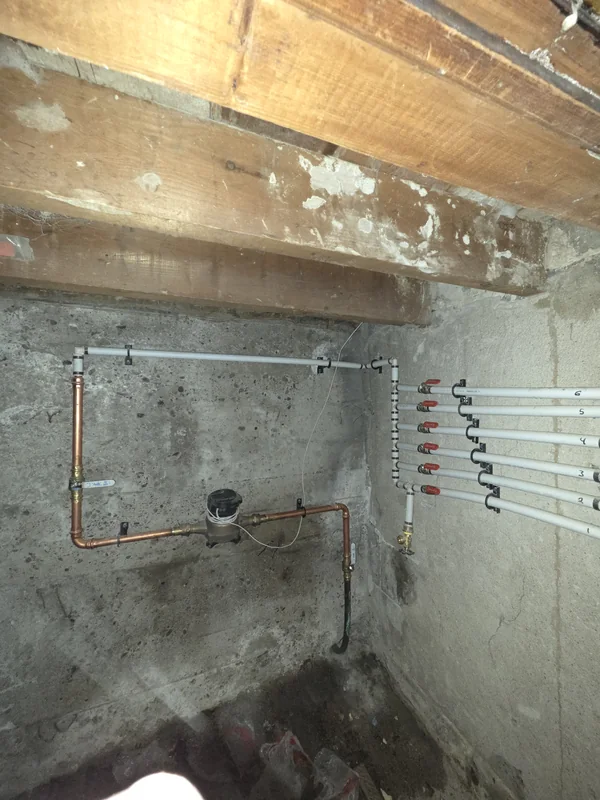
Qualifications do not replace clear communication, but they help show that a plumbing contractor understands the trade, safety requirements and responsibilities that come with working on a home or business.
Do not open sealed fuel, electrical or pressurized equipment. If water is actively escaping or wastewater is present, call for service and keep clear of hazards.
Confirm trade qualifications
Ask who will perform the work and whether the scope requires a licensed plumber or other certified trade.
Check insurance
Liability coverage and appropriate workplace insurance help protect both the contractor and property owner.
Discuss permits
Some installations and alterations require permits or inspections; the contractor should explain what applies.
Ask about specialized systems
Gas, electrical, backflow and treatment equipment can require additional qualifications or manufacturer knowledge.
Get the scope in plain language
A useful proposal explains the work, exclusions, materials and next steps rather than relying only on credentials.
The practical next step
Use the evidence you can observe, then get the system assessed.
Photos, timing and which fixtures are affected can all help. A qualified inspection turns those observations into a repair or replacement recommendation.