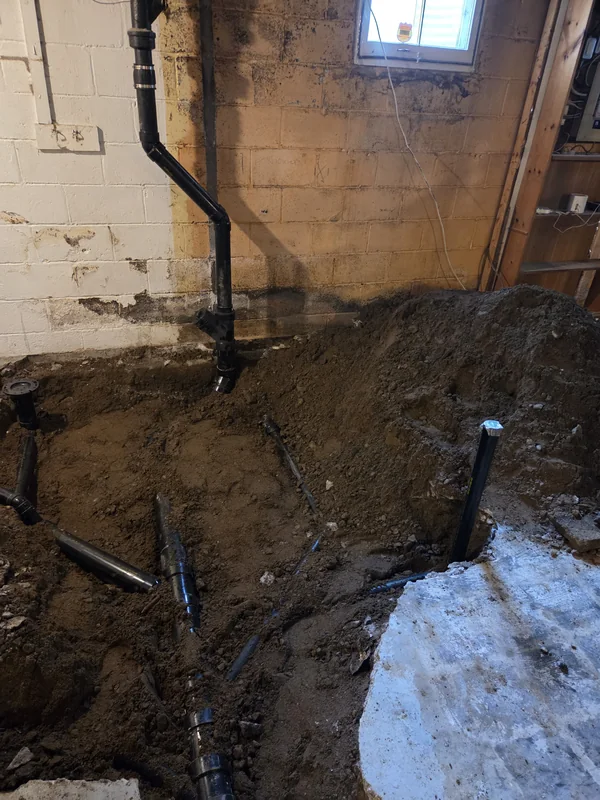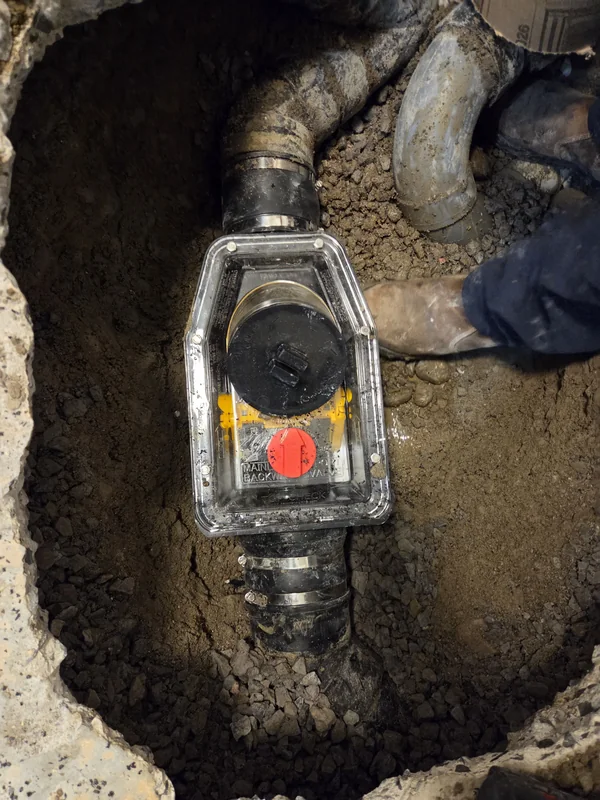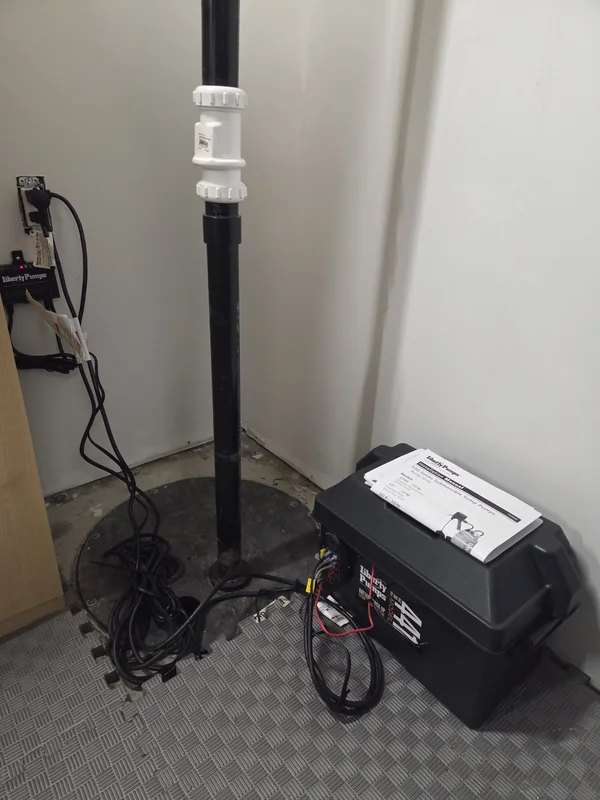
Drain cleaning and repair in Ottawa
Clear the restriction and find out why the drain keeps slowing down.
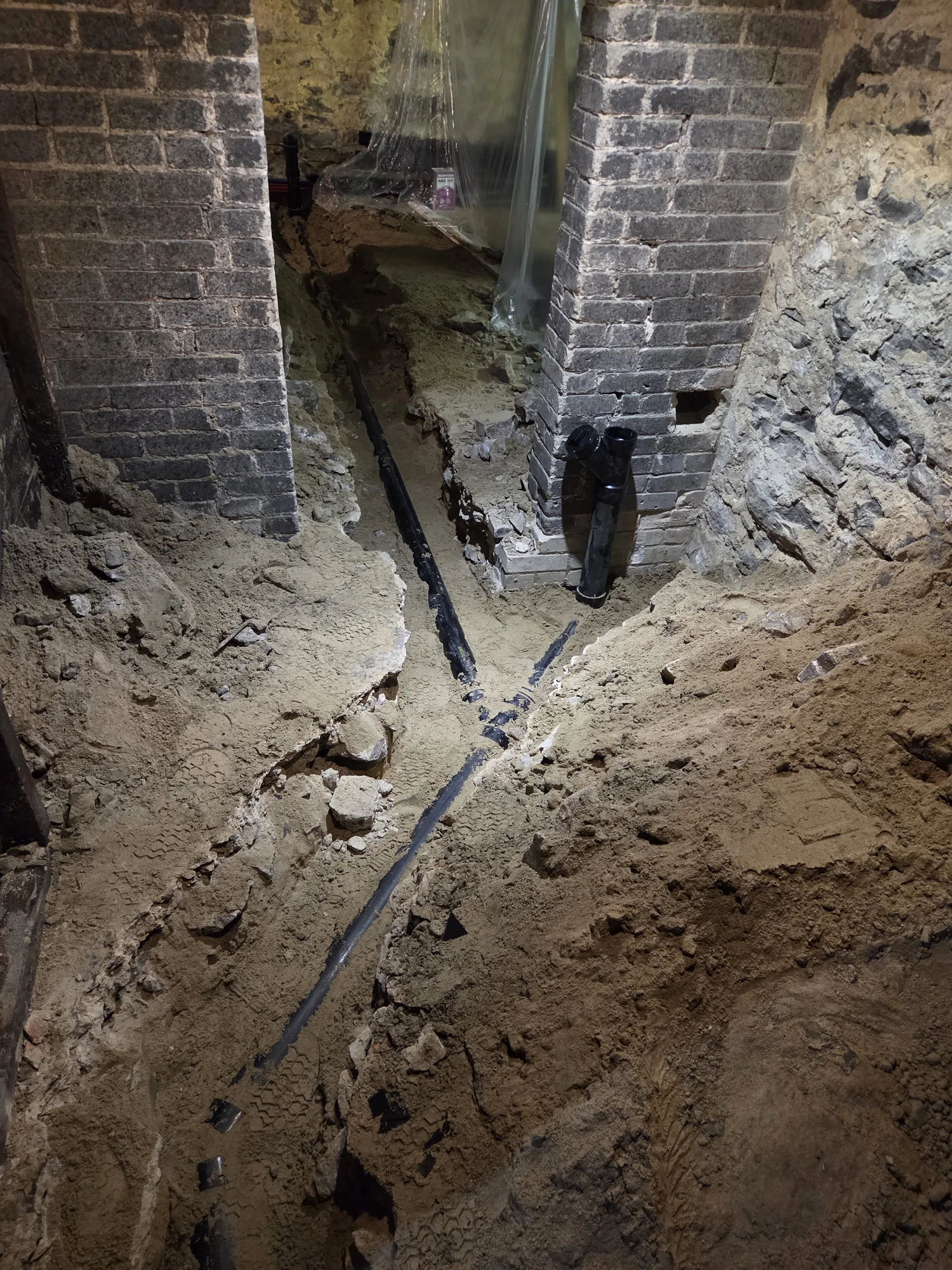
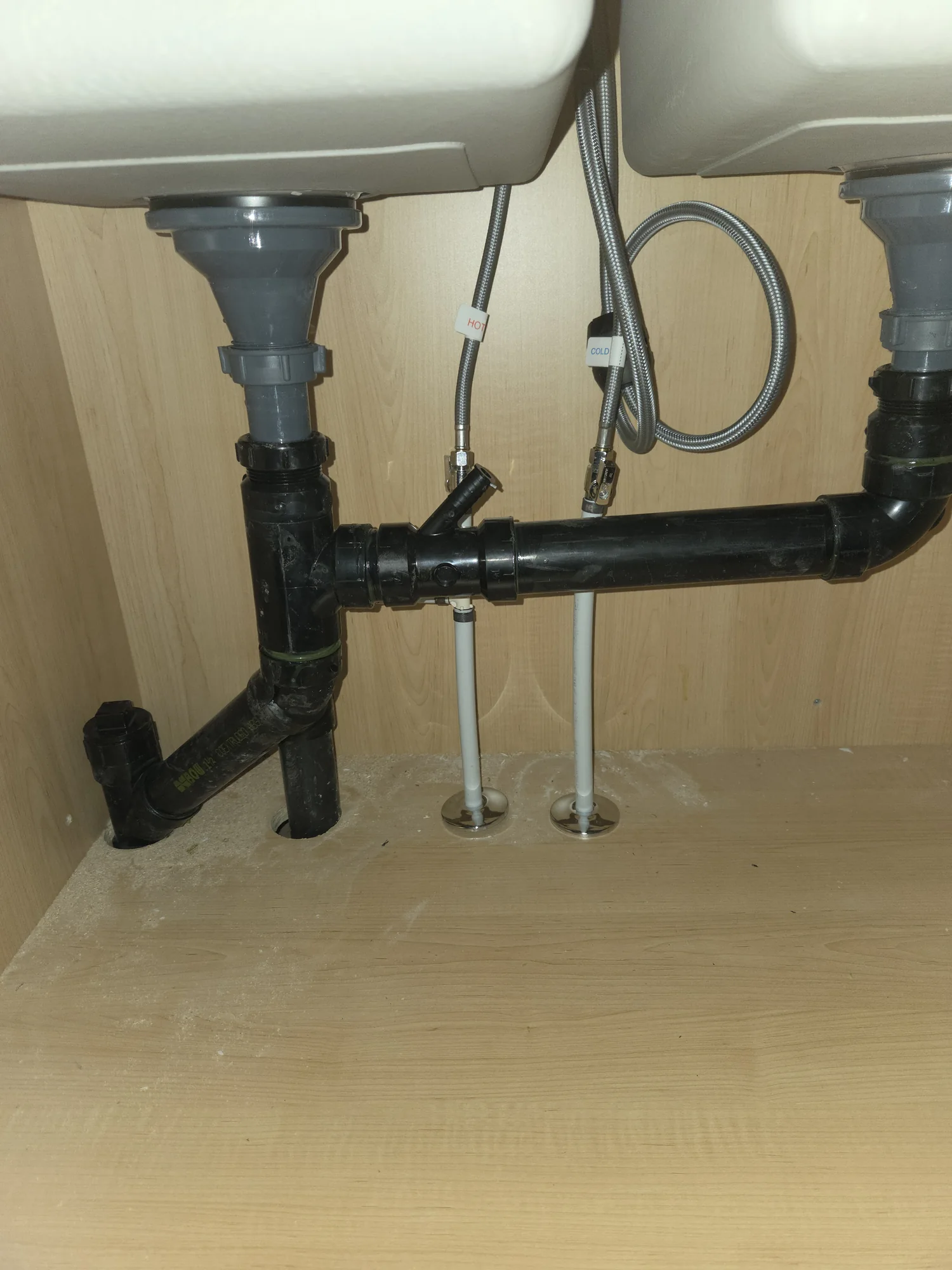
A slow sink, backed-up shower, gurgling toilet or recurring floor-drain problem can begin in the fixture trap, a branch drain or a larger connected line. Hydra Plumbing provides drain cleaning, clog removal and appropriate drain repair in Ottawa and Orléans.
We identify which fixtures are affected, when the symptom appears and whether the problem is isolated or shared. Access, pipe material and previous service history help determine whether the next step is clearing, targeted repair or a broader sewer assessment.
Clog, damage or main-line trouble
The number and location of affected fixtures point to the next step.
A single slow basin does not suggest the same problem as wastewater returning through a basement drain. Starting with the drainage pattern helps avoid treating a main-line concern as another surface clog.
Fixture and branch clogs
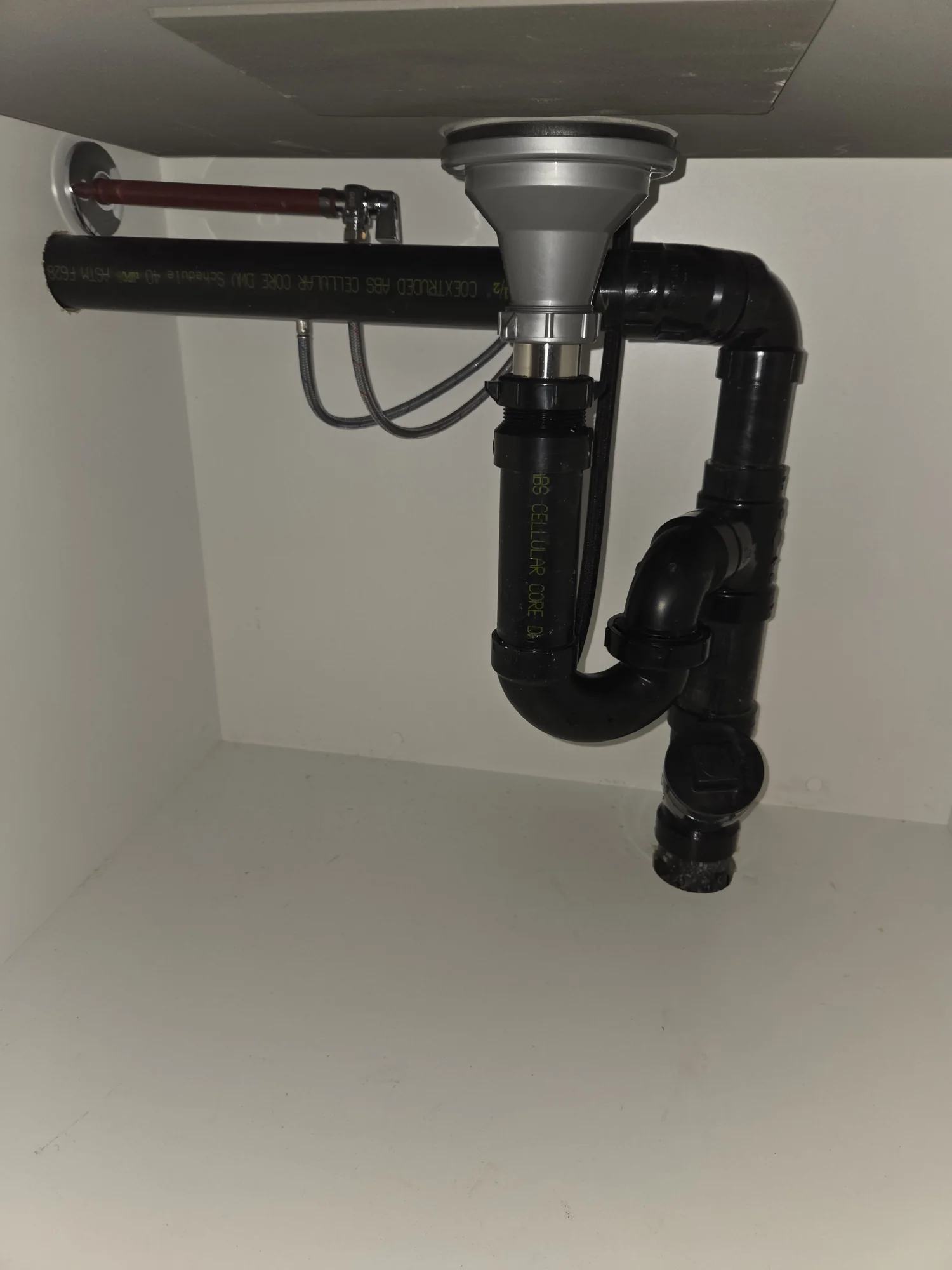
Hair, soap, grease, food waste and buildup can restrict individual fixtures or branch drains. Access and pipe condition determine the appropriate clearing method.
Recurring slow drainage
A drain that repeatedly slows after clearing may have poor slope, damaged piping, an unsuitable connection or a restriction farther downstream. Repair may be more useful than another temporary clearing.
Possible main-sewer symptoms
Multiple affected fixtures, lower-level backup, gurgling and wastewater return can indicate a larger line problem. Stop using water and call when sewage is entering the property.
Drain symptoms to act on
Book service when the drain is slow, noisy, leaking or repeatedly blocked.
- One fixture drains slowly despite normal cleaning
- Several fixtures gurgle or drain at the same time
- Water returns through a lower shower or floor drain
- A trap, branch drain or connection is leaking
- The same clog returns soon after clearing
- Odours persist after the fixture has been cleaned
Drain cleaning visit
What happens when we clear a slow or clogged drain.
Describe which drains are affected
Tell us whether one sink, tub or shower is slow, or whether several fixtures gurgle or back up together. When the problem started, what has already been tried and whether wastewater is returning help us prepare for the likely drain path.

Locate the restriction and suitable access
We check the affected fixture, trap, branch drain and available cleanouts to determine whether the problem appears isolated or connected to the main sewer. Pipe material, condition and access guide the clearing method.

Clear the approved drain line
The appropriate section is opened or accessed and the restriction is cleared where practical. If damaged piping, poor configuration or a deeper sewer problem is found, we explain why repair or additional assessment may be more useful than repeated cleaning.

Run water and confirm drainage
The affected fixtures are tested to confirm improved flow and check accessible joints for leaks. We explain what likely caused the blockage, what should stay out of the drain and what signs would indicate a recurring or larger line problem.
Pricing context
What affects drain-cleaning and repair scope.
- Fixture, branch or main-line location of the restriction
- Access to traps, cleanouts and affected piping
- Pipe material, diameter, condition and configuration
- Type and depth of the obstruction
- Need for inspection, opening or physical drain repair
- Wastewater cleanup or restoration outside the plumbing scope
Drain service with a reason
Restore flow without ignoring the pattern behind a recurring clog.
Clear an appropriate restriction and confirm that water is moving through the affected drain.
Use the pattern of affected fixtures to recognize branch or main-line symptoms earlier.
Consider pipe condition, access and service history when the same drain keeps slowing down.
Repair accessible traps, joints and damaged branch piping before repeated use spreads wastewater.