Water heater maintenance in Ottawa
Protect reliable hot water before performance starts to slip.
Water-heater maintenance can help manage sediment, confirm safe operation and identify leaks or worn components before they interrupt the household. Hydra Plumbing services conventional tanks and appropriate tankless and high-efficiency systems in Ottawa and Orléans.
The maintenance scope depends on the equipment and its condition. A visit may include checking accessible valves and connections, reviewing temperature and operation, flushing where appropriate and assessing components such as anode rods, filters, condensate or isolation valves. We explain what is due now and what can be monitored.
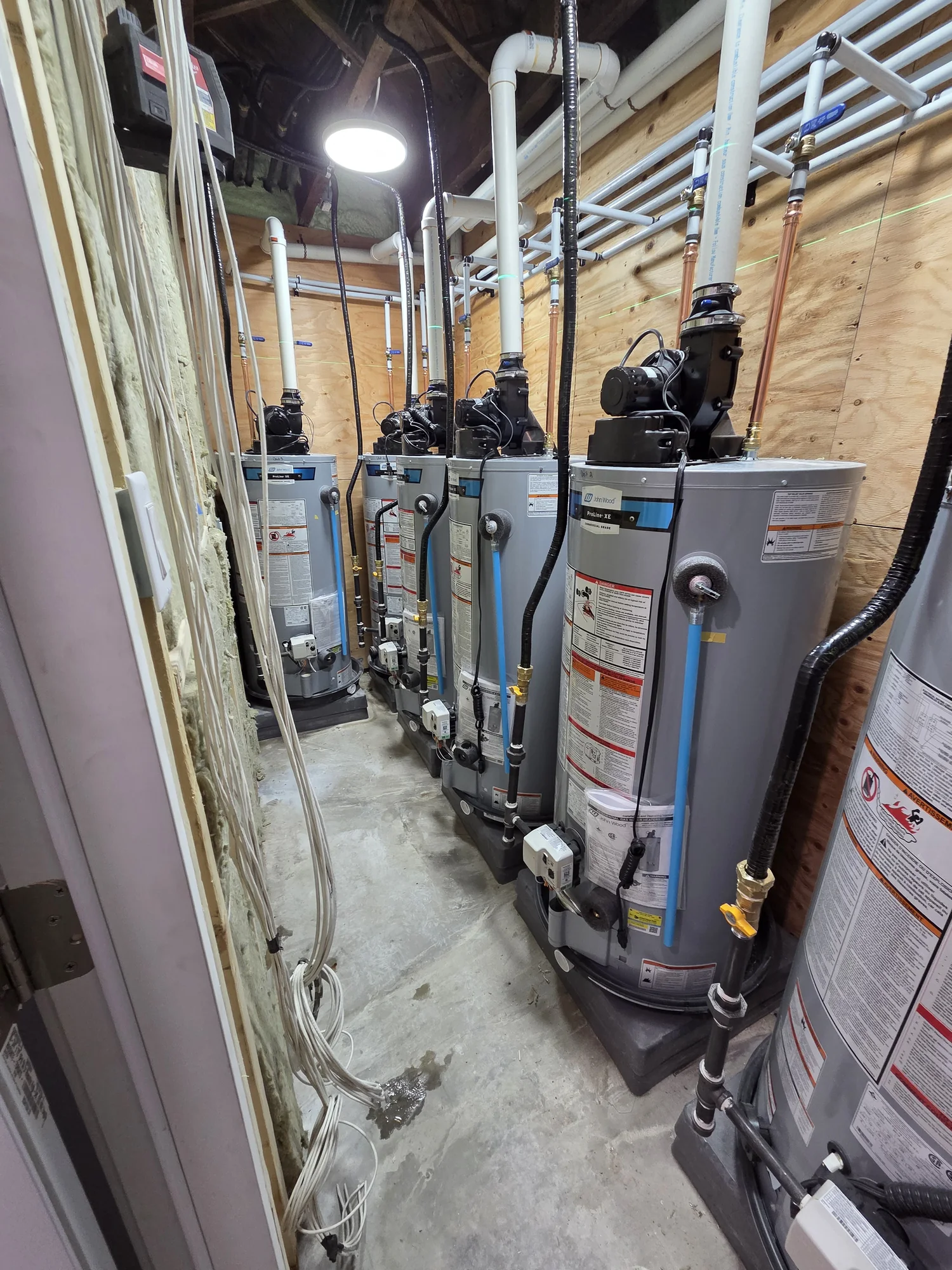
Maintenance by system type
Give the equipment the care its design and water conditions require.
Maintenance is not identical for every heater. Ottawa-area water conditions, household use, equipment age and manufacturer requirements influence how quickly scale or sediment accumulates and which components should be inspected.
Storage-tank maintenance
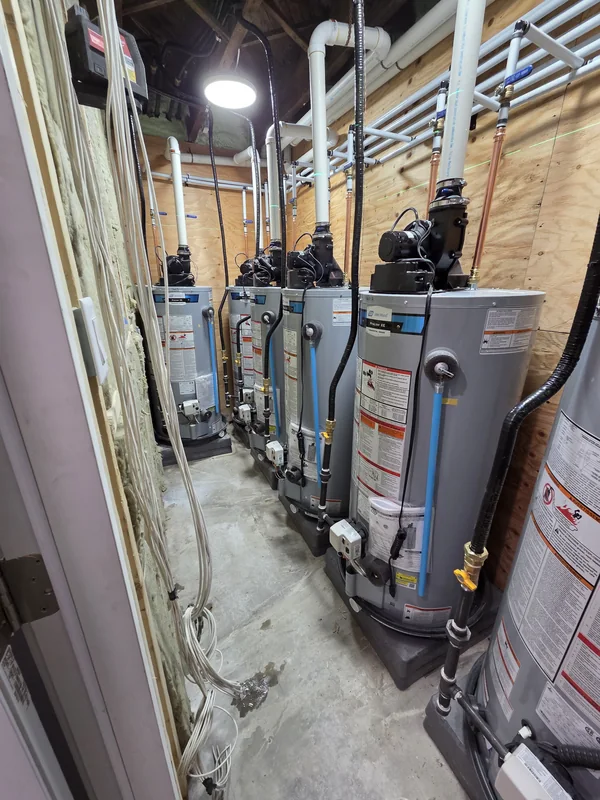
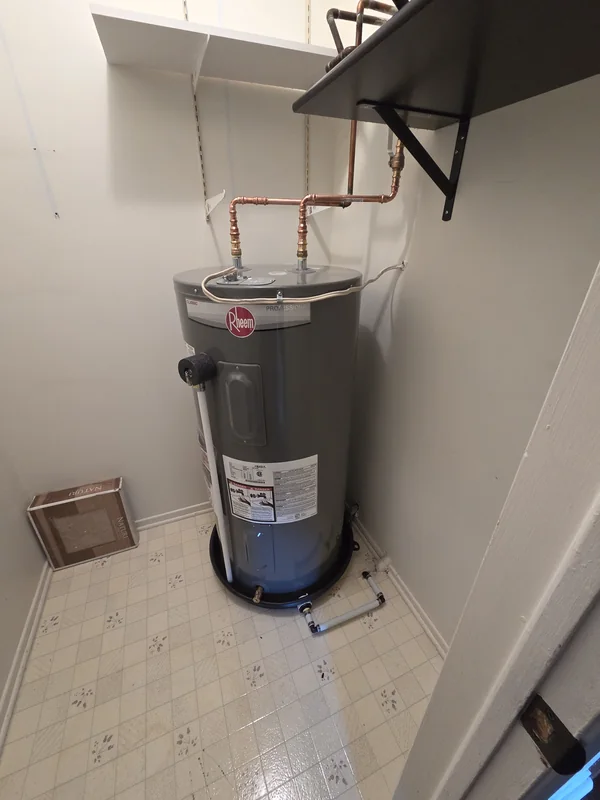
Sediment, corrosion protection, relief components, shutoffs and visible connections can affect tank performance and lifespan. Service is adjusted to the tank's age and current condition.
Tankless flushing and descaling
Mineral buildup can restrict heat transfer and flow in on-demand equipment. Isolation valves, filters and manufacturer procedures determine how the unit should be serviced.
High-efficiency system checks
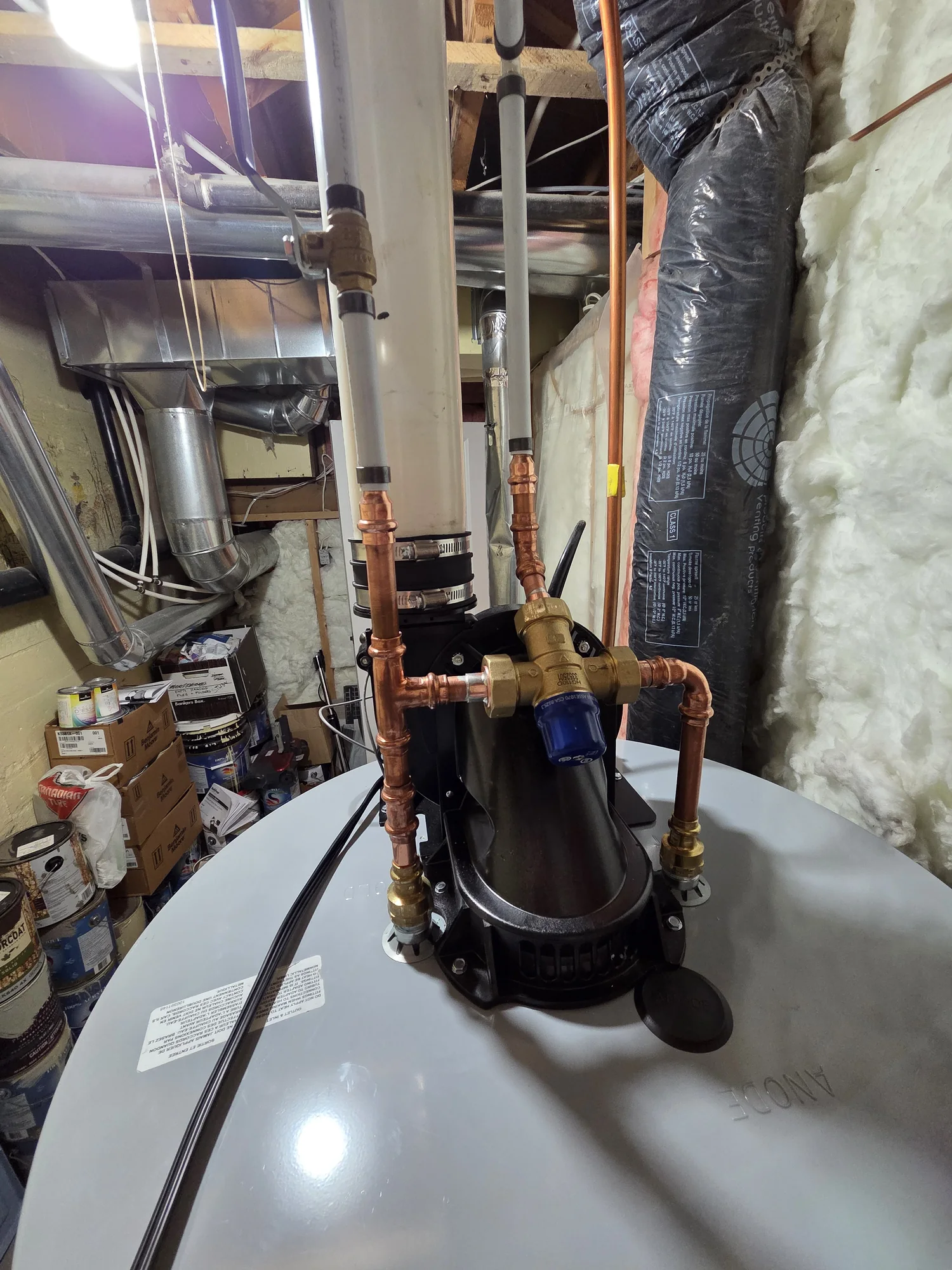
Condensate, controls, pumps, filters and venting can be part of a high-efficiency maintenance visit. Connected components should be considered with the appliance.
Maintenance warning signs
Book a check when the water heater starts behaving differently.
- Hot water recovery is slower or capacity seems reduced
- Popping, rumbling or unfamiliar operating sounds have developed
- Rust marks, dampness or mineral residue appears near connections
- A tankless unit shows a service code or reduced flow
- The heater has not been inspected for several years
- You want to assess an aging system before planning replacement
Water heater maintenance visit
What happens during water heater maintenance and flushing.

Review the equipment and service history
Tell us the water-heater type, age, last service date and any changes in temperature, recovery, flow, sound or visible leakage. This helps determine whether the visit is routine maintenance or should begin with diagnosis.

Inspect the heater and connected components
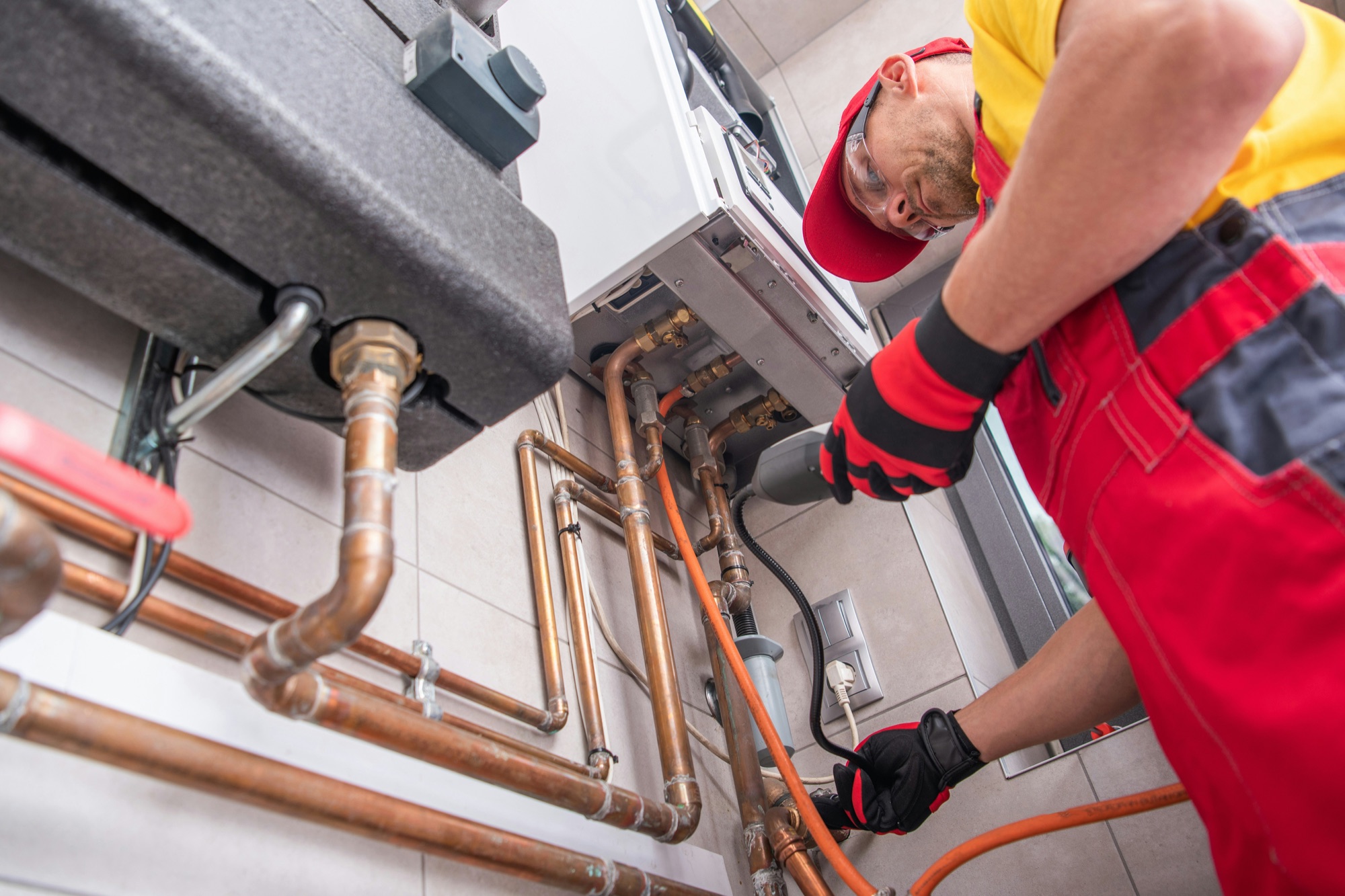
The heater is shut down as required and accessible valves, connections, controls, venting, drainage and safety components are checked. Current equipment condition determines which maintenance can be completed safely and usefully.

Flush or service the system where appropriate
A storage tank may be drained or flushed, while tankless and high-efficiency equipment may require descaling, filter cleaning, condensate service or manufacturer-specific steps. We do not force maintenance that is unsuitable for an aging or deteriorated unit.

Restart, test and explain the findings
The water heater is returned to operation and checked for normal heating, flow and visible leaks. We explain completed maintenance, any worn components and whether repair or planned replacement should be considered.
Pricing context
What affects water-heater maintenance scope.
- Storage tank, tankless, condensing or combi equipment
- Equipment age, service history and current condition
- Sediment, hardness scale and local water conditions
- Access to drains, isolation valves, filters and components
- Manufacturer procedures and replacement-part requirements
- Whether a leak, fault or performance problem needs diagnosis
Maintenance with a purpose
Use the visit to protect performance and plan ahead.
Review operation, visible corrosion and connection condition before a small change becomes a loss of hot water.
Address appropriate sediment, scale and filter maintenance so the equipment is not working against avoidable buildup.
Understand the condition of an aging tank or system while there is still time to compare replacement options.
Look beyond the appliance to accessible valves, drainage, venting, controls and connected piping.