Sump, sewage and well pumps in Ottawa
Installation, replacement and repair for the pump your property relies on.
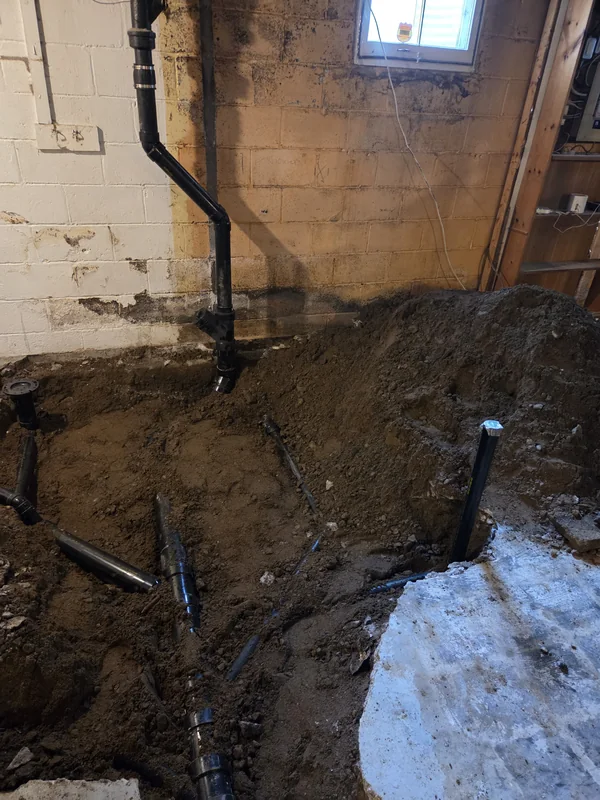
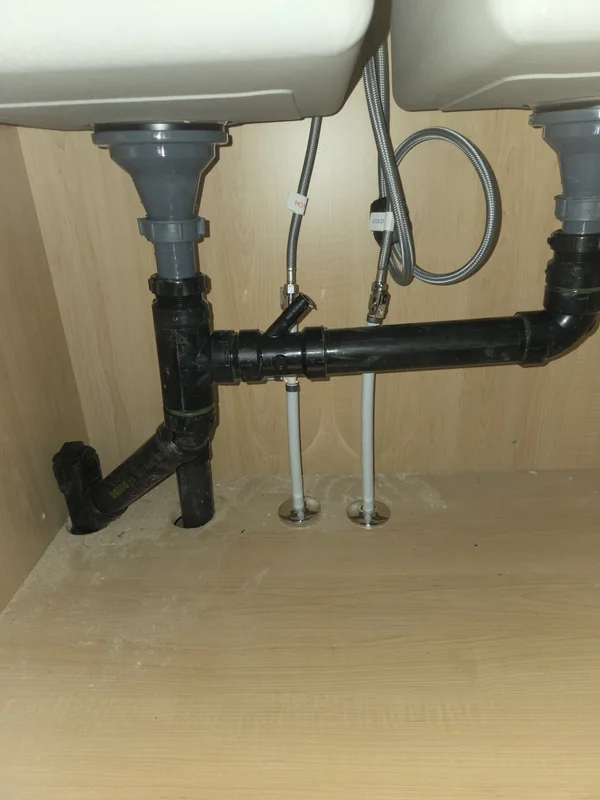
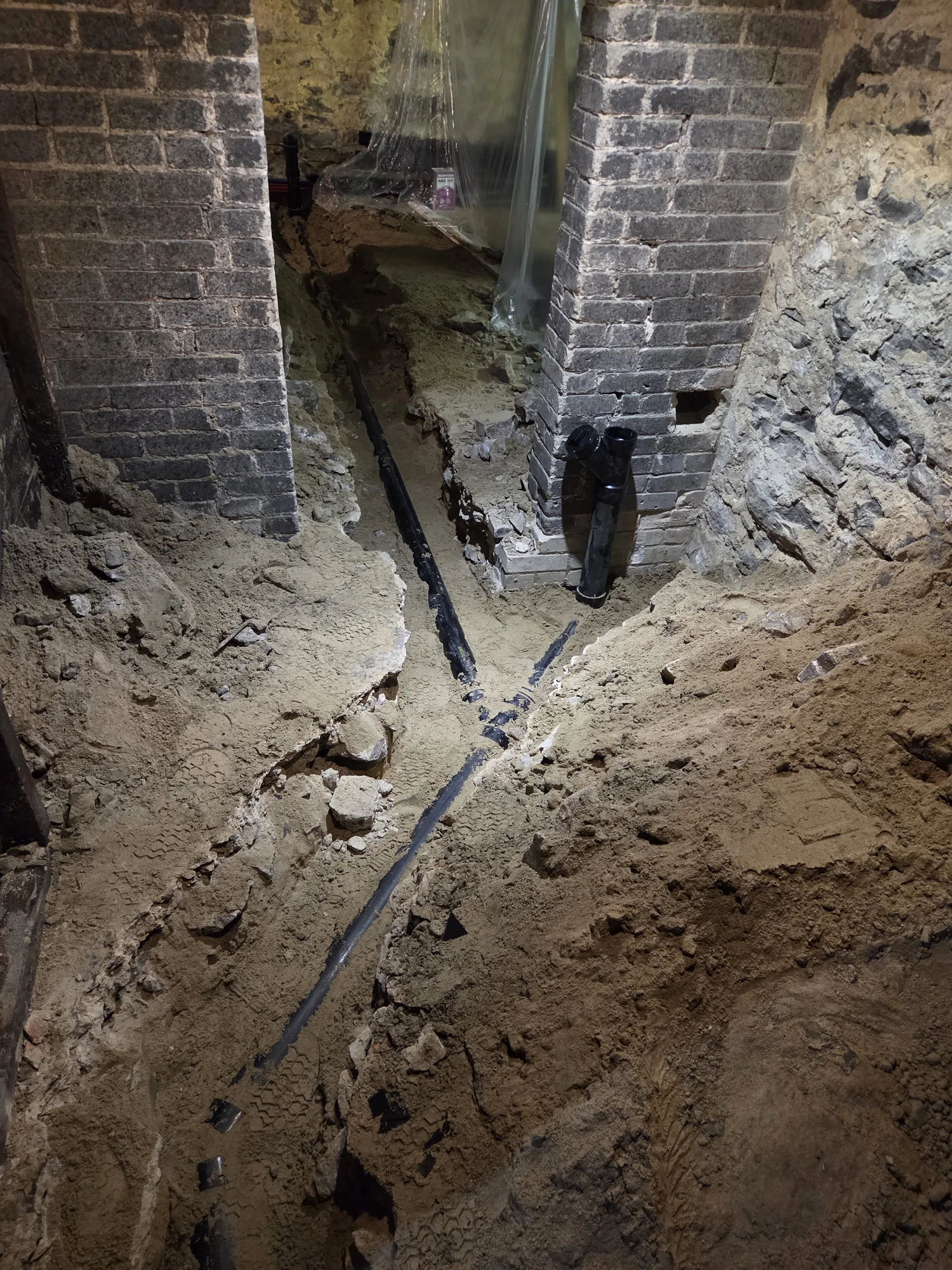
Ottawa spring melt, heavy rain, high groundwater and river-adjacent conditions can place seasonal demand on basement pumping. Rural and edge-of-city homes may also depend on well pumps for everyday water. Hydra Plumbing installs and services appropriate sump, sewage and residential well-pump systems.
We identify what the pump handles, where it discharges, how the controls operate and what happens if power or the primary unit fails. The recommendation considers basin condition, float travel, check valves, piping, electrical coordination, backup options and the property's seasonal history.
Three different pump jobs
Choose and maintain the pump based on the water it must move.
Sump, sewage and well pumps are not interchangeable. Each system has different water quality, pressure, controls, discharge and failure consequences, so the equipment and service plan must match its actual job.
Sump pumps and backups
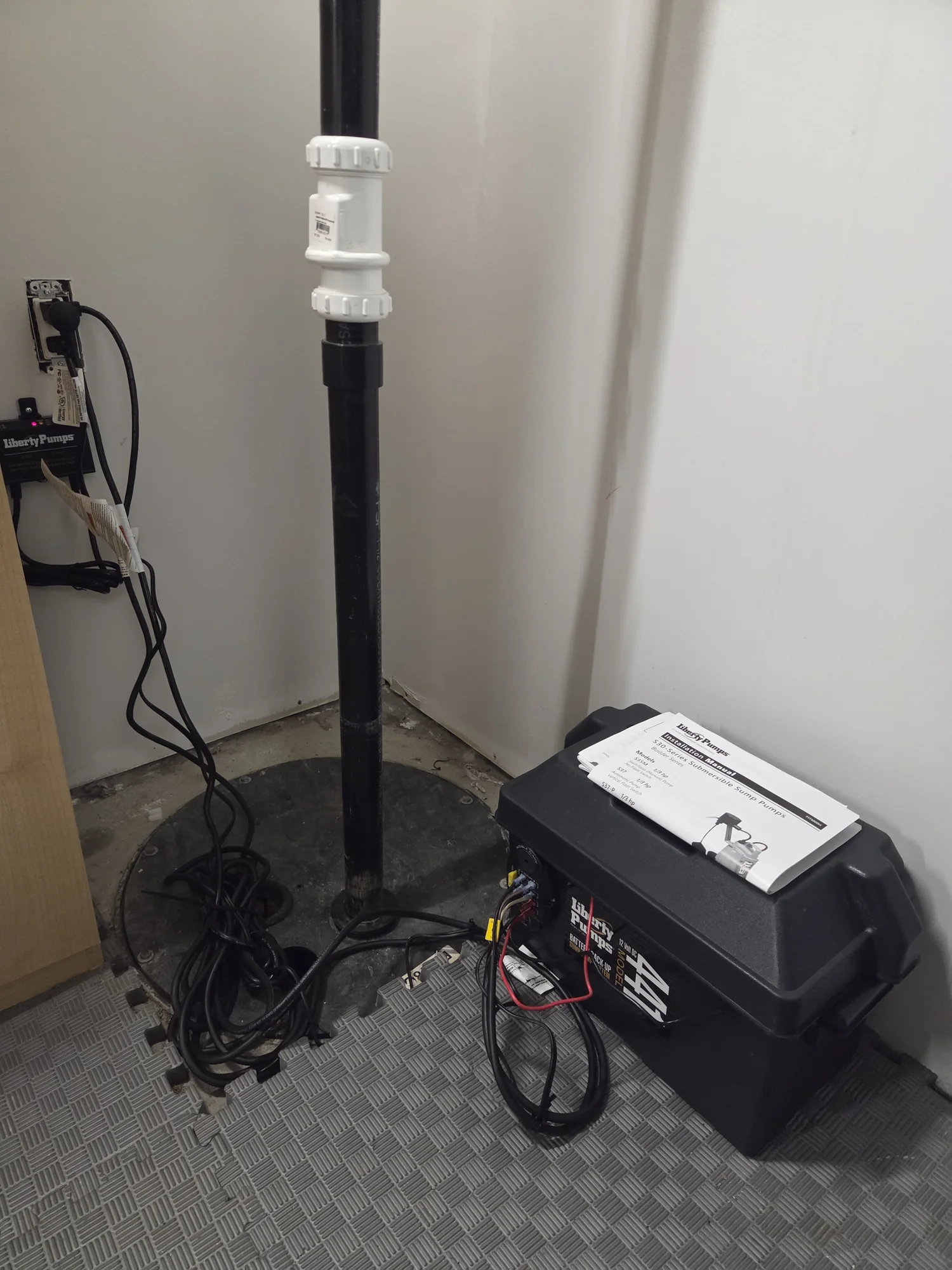
A sump pump removes groundwater collected around the foundation. Spring thaw and heavy storms can increase demand, making float operation, discharge and backup planning especially important.
Sewage and ejector pumps
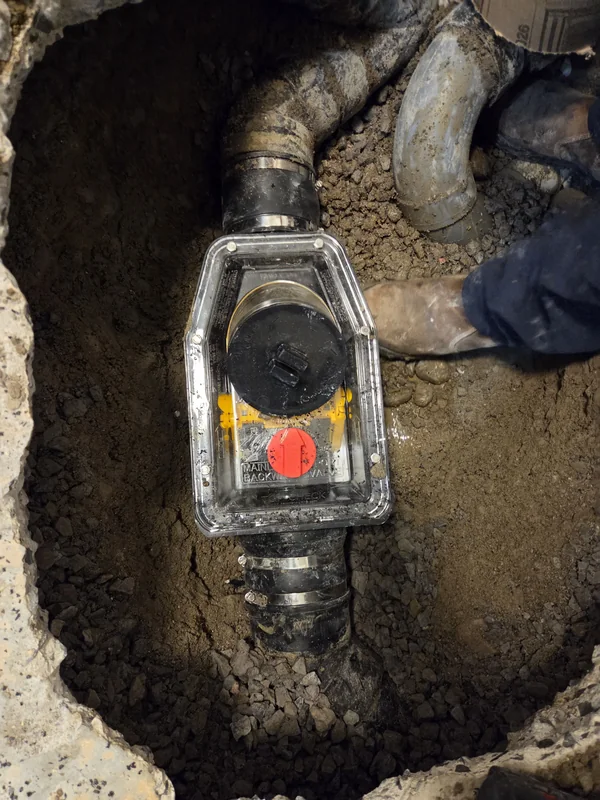
A sewage pump moves wastewater from fixtures below the gravity sewer. Basin sealing, venting, check valves, discharge piping and safe service access are part of the system.
Residential well pumps
A well pump and pressure system supply water to rural or private-well homes. Pressure tanks, switches, controls, well yield and water conditions can all affect performance.
Pump warning signs
Test and service the system before the next high-demand season.
- A sump pump does not start when the water level rises
- The pump cycles frequently, runs continuously or sounds different
- Water returns through the discharge after the pump stops
- A sewage basin alarms, smells or fails to clear properly
- Well-water pressure changes, pulses or disappears
- The property lacks a backup plan for power or primary-pump failure
Sump pump replacement process
What to expect when we replace an aging or failed sump pump.

Inspect the existing basin and pump
We check the basin, pump, float travel, check valve, discharge piping and accessible power connection. This identifies whether the pump has failed and whether worn or unsuitable parts around it also need attention.

Choose the replacement and backup plan
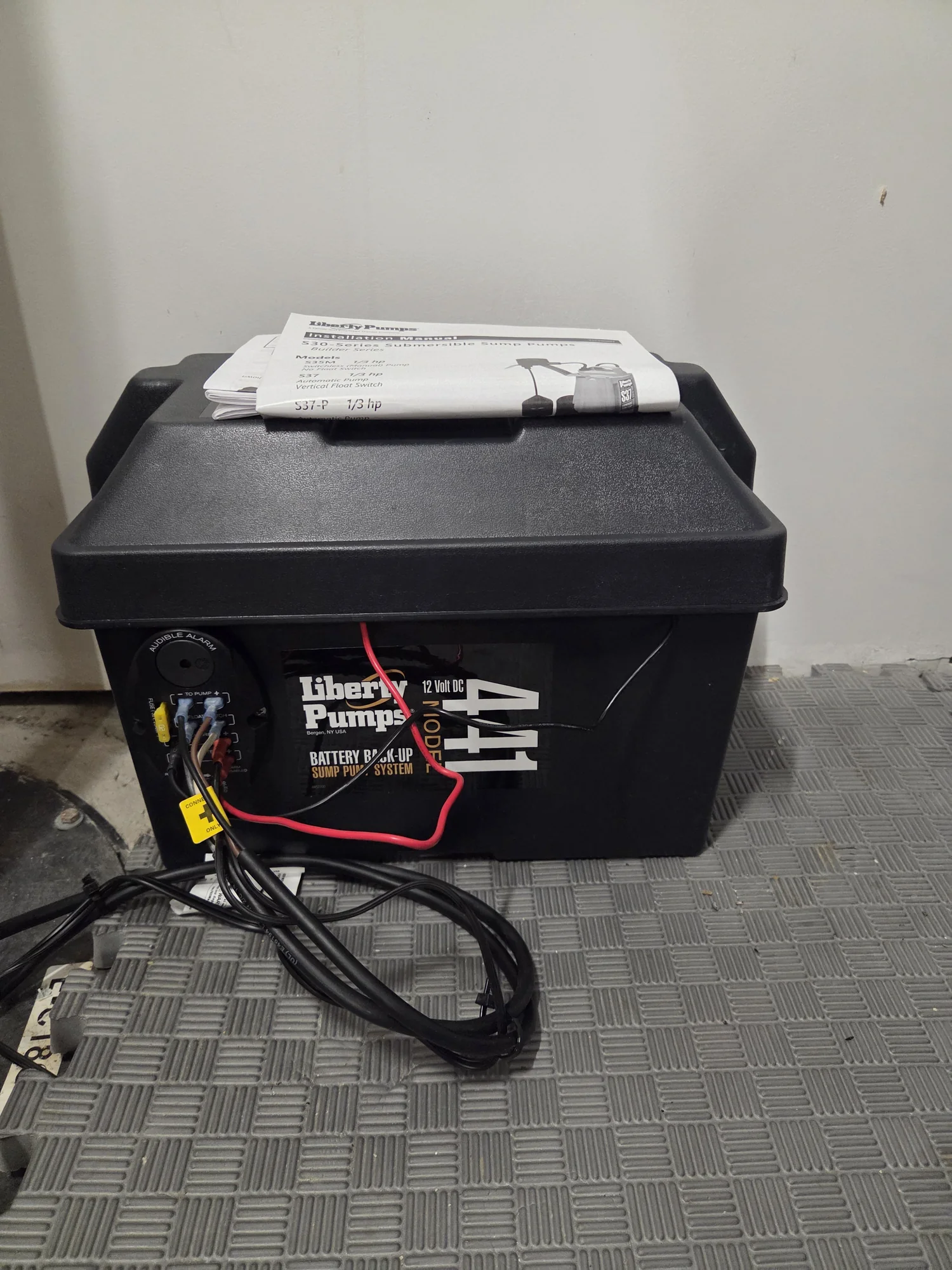
The replacement is selected for the basin, lift, discharge distance and expected groundwater demand. We also explain alarm, battery-backup and secondary-pump options when the basement depends on continuous protection.

Replace the pump and connections
The old pump is removed and the new unit is positioned so the float can move freely. Approved check-valve and discharge connections are installed or corrected as included in the agreed scope.

Test the full start-and-stop cycle
Water is added to the basin to confirm the pump starts, moves water through the discharge and shuts off normally without leaks or rapid cycling. We show you how to test the system before storm season.
Pricing context
What affects pump installation and service cost.
- Sump, sewage, ejector or well-pump system type
- Required flow, head pressure and discharge distance
- Basin, float, check valve and piping condition
- Power supply, alarm and backup requirements
- Well depth, pressure system and diagnostic access
- Seasonal groundwater, flood history and safe discharge location
Protection that works before the storm
Know how the pump starts, where the water goes and what backs it up.
Test the primary sump system and discharge path before groundwater demand reaches its seasonal peak.
Review battery, secondary-pump or alarm options when a finished basement depends on continuous protection.
Maintain sewage-pump controls, check valves and discharge so below-grade plumbing can operate as intended.
Assess the well pump, pressure tank, switch and connected plumbing when water delivery changes.