Commercial plumbing in Ottawa
Clear plumbing scope, pricing and coordination from rough-in to handoff.
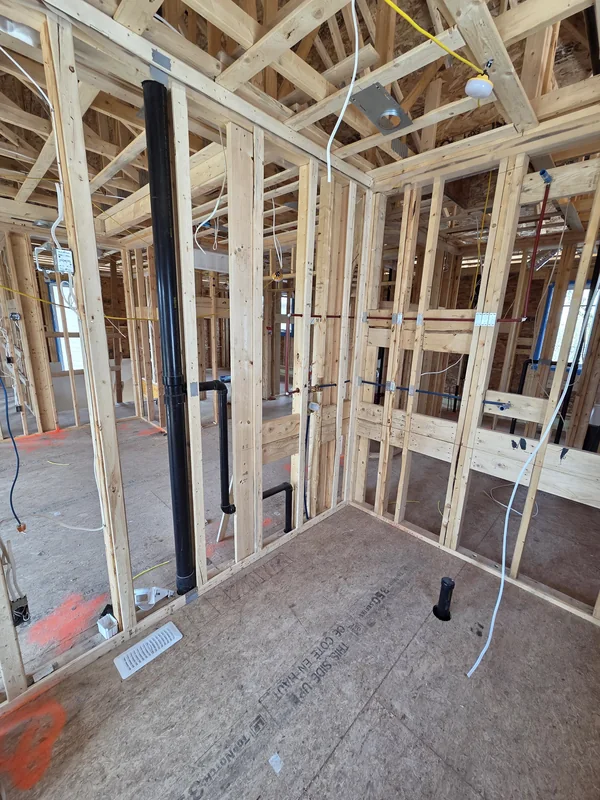
Commercial plumbing affects operations, tenants, customers and construction deadlines. Hydra Plumbing supports Ottawa businesses, property managers, general contractors and light commercial facilities with planned installations, repairs, maintenance and renovation plumbing.
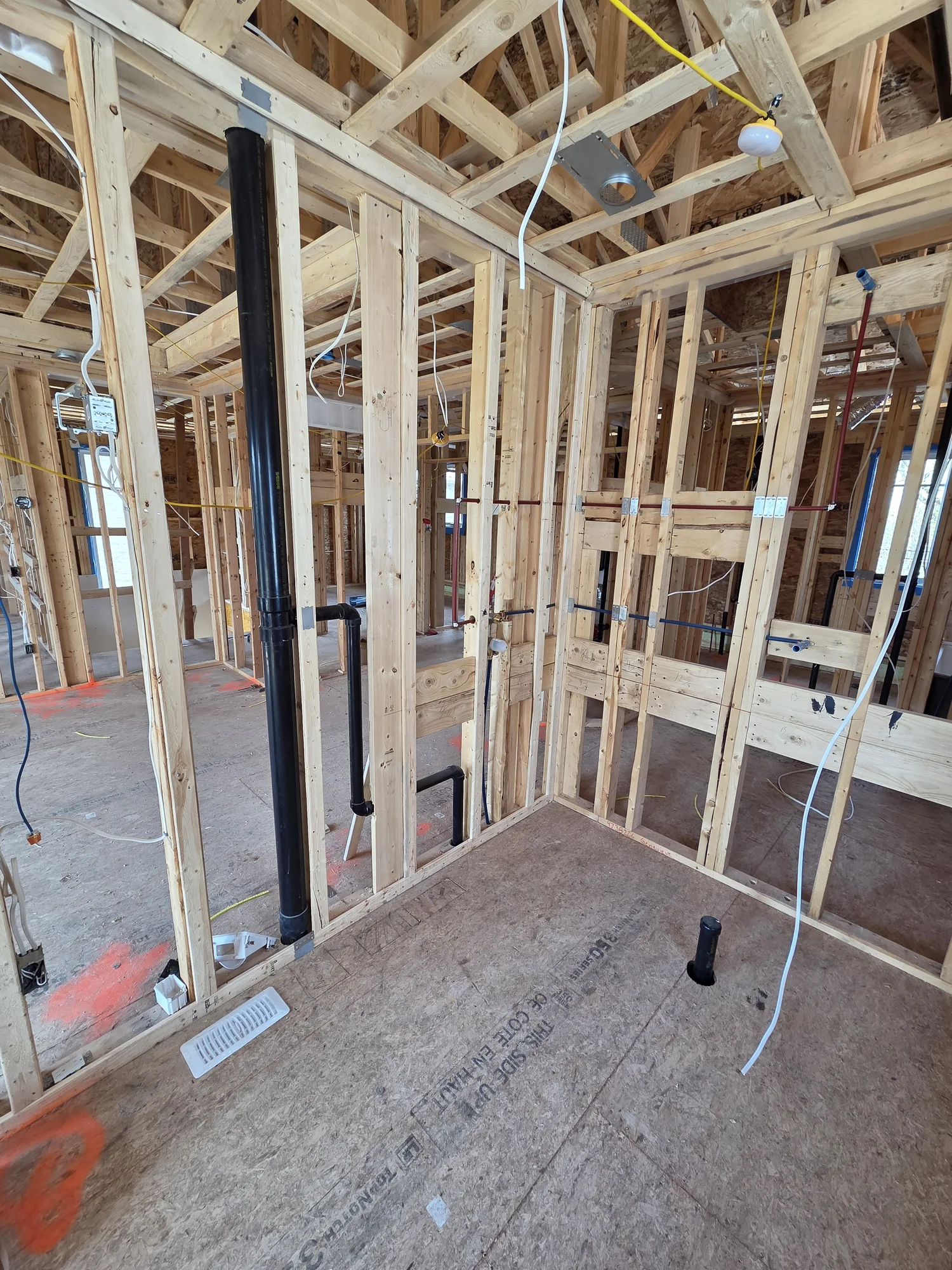
We clarify the affected area, access, shutdown requirements, site contacts and schedule before work begins. For projects, Hydra Plumbing coordinates rough-in, fixture information, inspections and finish dates with the general contractor. For operating properties, the goal is to contain disruption and communicate what occupants need to know.
Service and project coordination
Clear responsibilities help the renovation stay on schedule and within the agreed budget.
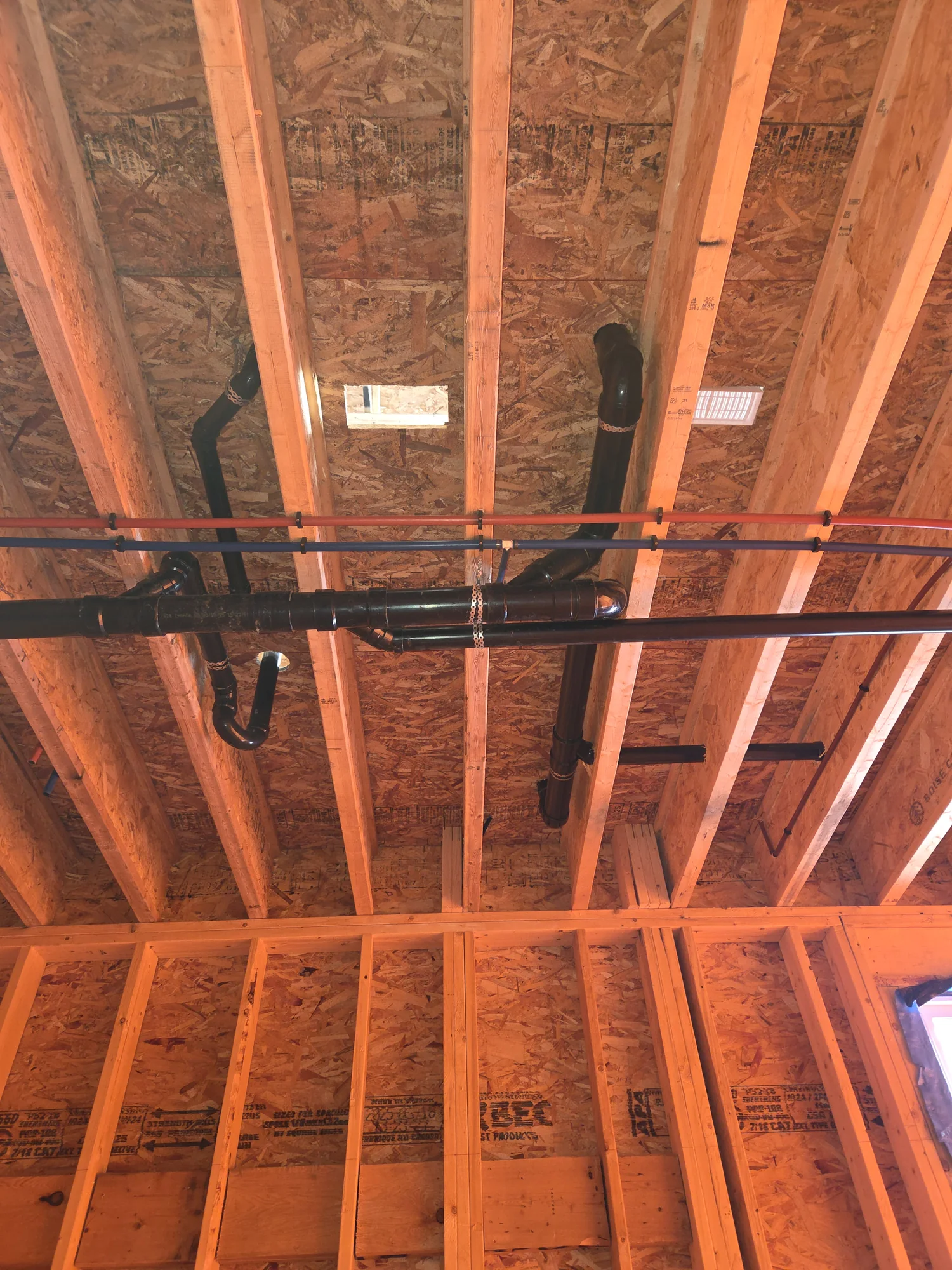
A technically sound repair can still disrupt a property if shutdowns, keys, tenants, finishes and follow-up trades are not coordinated. Commercial service needs a practical plan for both the plumbing and the people using the building.
Business and property service
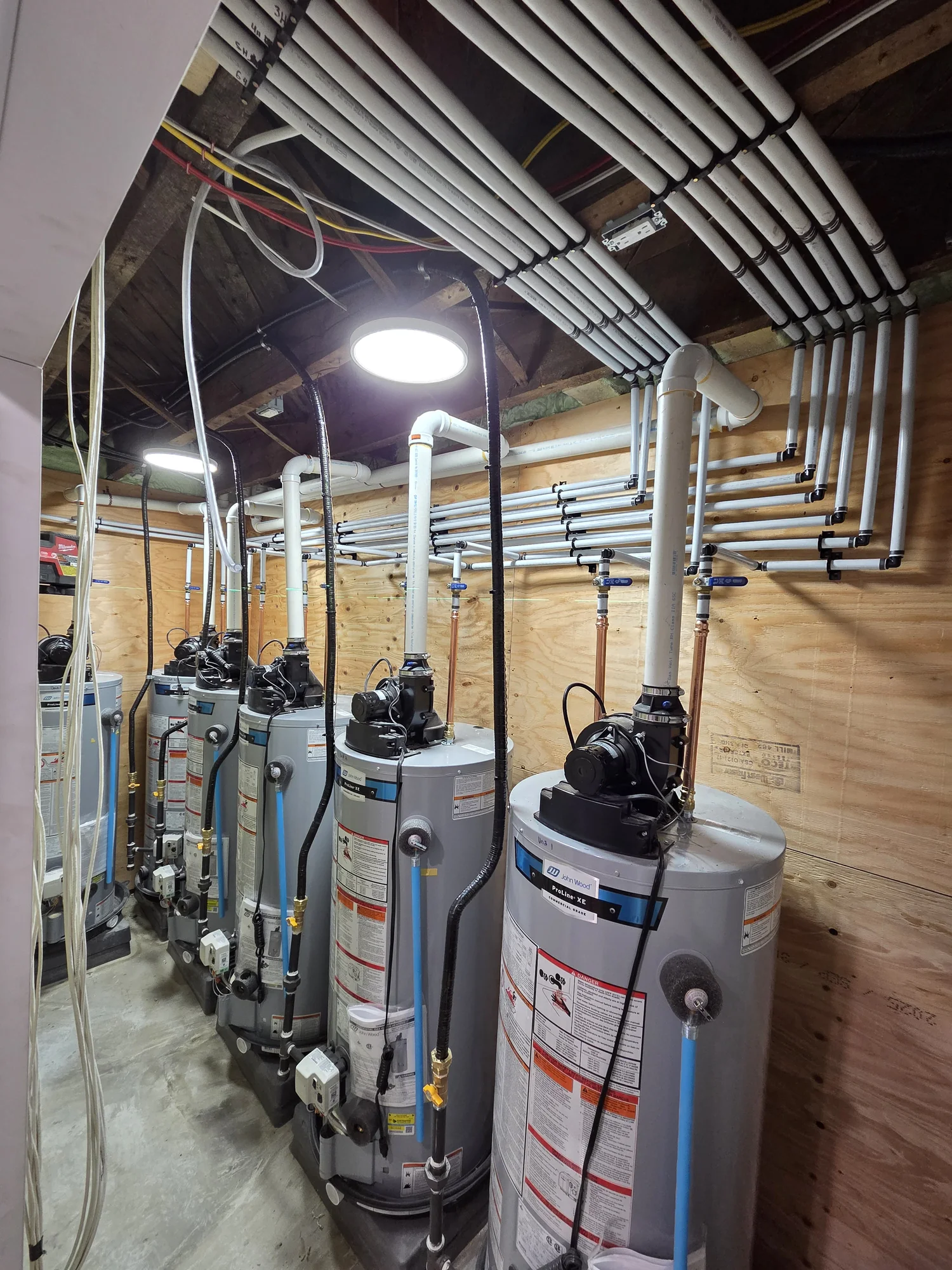
Leaks, fixtures, drains, valves and water-heating problems are assessed with operating hours, occupants and access in mind. Required shutdowns are explained before approved work proceeds.
Tenant improvements and renovations
Plumbing rough-ins and relocations are coordinated with drawings, fixture selections, framing, inspections and the general contractor's milestone dates.
Maintenance and planned replacement
Recurring problems, aging equipment and high-use fixtures can be reviewed before failure. Planned work gives the property team more control over timing and occupant communication.
When to involve commercial plumbing
Address the plumbing before it becomes an operational or schedule problem.
- A leak, blockage or failed fixture affects customers or tenants
- A shutdown needs to be planned around operating hours
- Recurring service suggests a broader piping or equipment concern
- A tenant improvement is adding or relocating plumbing fixtures
- The general contractor needs rough-in and inspection coordination
- A property manager wants to plan replacement before failure
Contractor project process
Define the plumbing scope before the first rough-in date.

Share the drawings and project details
The homeowner or general contractor sends the address, drawings, fixture schedule, target dates and known permit information. Existing site conditions, demolition status and questions from other trades help us understand what must be quoted.

Review the scope and prepare the quote
We confirm included plumbing, fixture supply responsibilities, rough-in locations, access, testing, inspections and return visits. Assumptions and exclusions are stated so the owner and contractor can compare the quote against the project budget.

Coordinate rough-in and inspections
Project contacts, framing readiness, access and milestone dates are confirmed before mobilization. Plumbing is installed and tested for the applicable inspection so the general contractor can plan close-up and following trades.

Return for finishes and handoff
When finished surfaces, cabinets and fixtures are ready, we complete the included connections and operating checks. Scope changes are discussed before extra work proceeds, and completion details are shared with the owner and contractor.
Pricing context
What affects commercial-plumbing scope.
- Property type, occupancy and operating constraints
- Access, keys, escorts and site-safety requirements
- Shutdown area, duration and occupant communication
- Drawings, fixtures, equipment and project specifications
- Other-trade sequencing and construction deadlines
- Permit, inspection, testing and documentation requirements
Plumbing that respects the operation
Keep the plumbing work clear, priced and ready for the next trade.
Define affected areas and timing so property staff can prepare tenants, employees or customers.
Communicate rough-in needs, conflicts, inspection status and finish-plumbing readiness before they affect following trades.
Restore operation where practical while explaining aging material or equipment that deserves a planned replacement budget.
Coordinate testing, completion details and operating checks so the property or project can move forward.