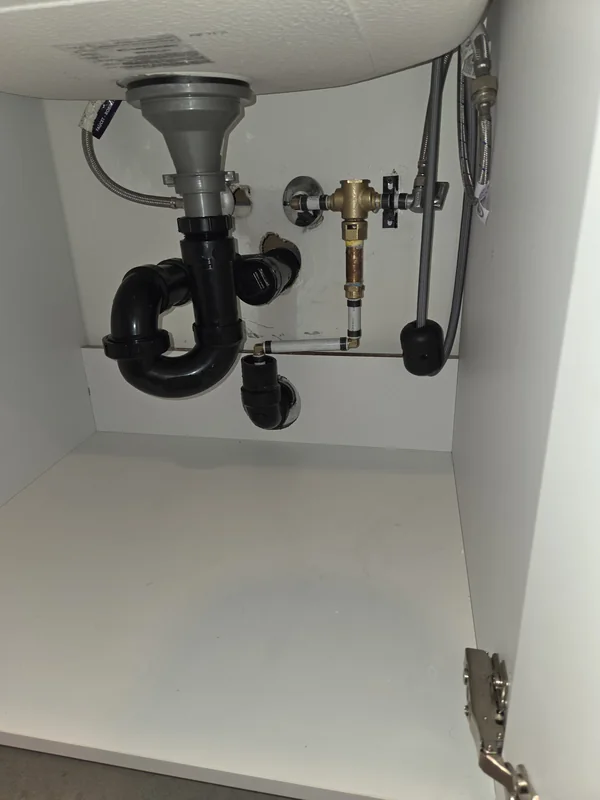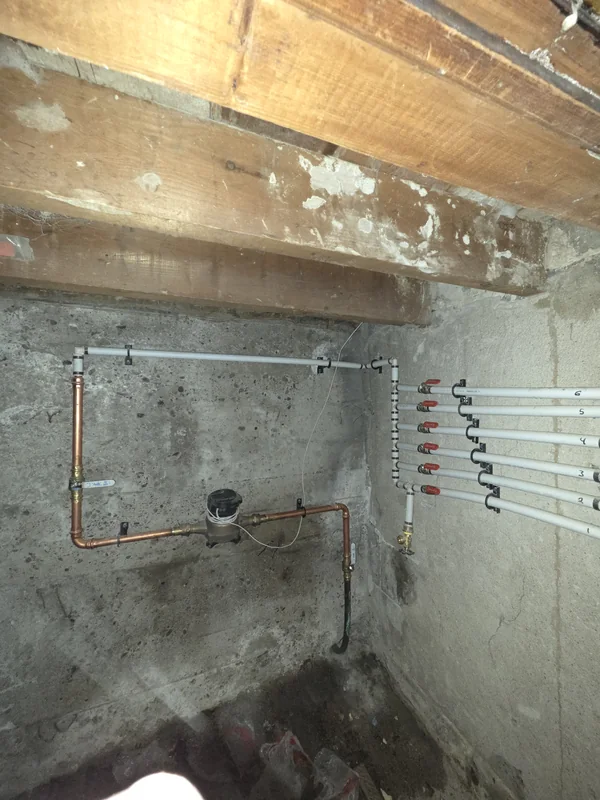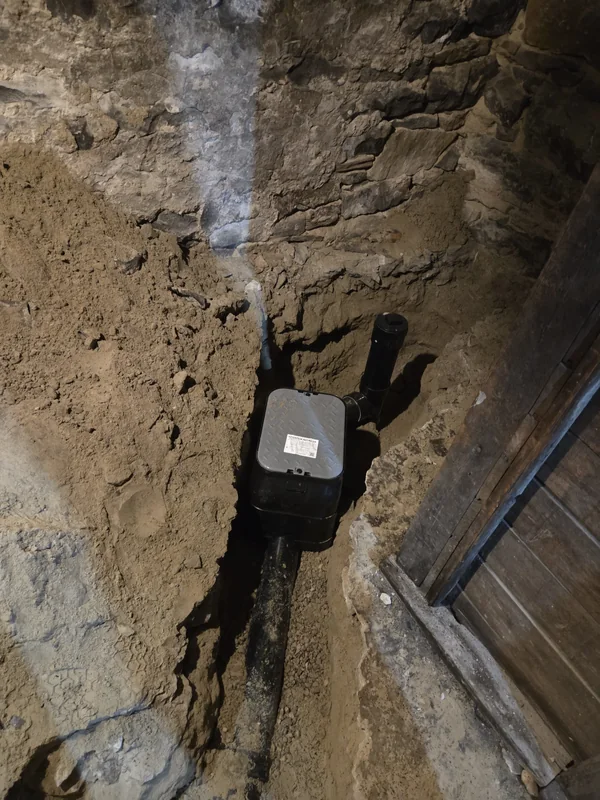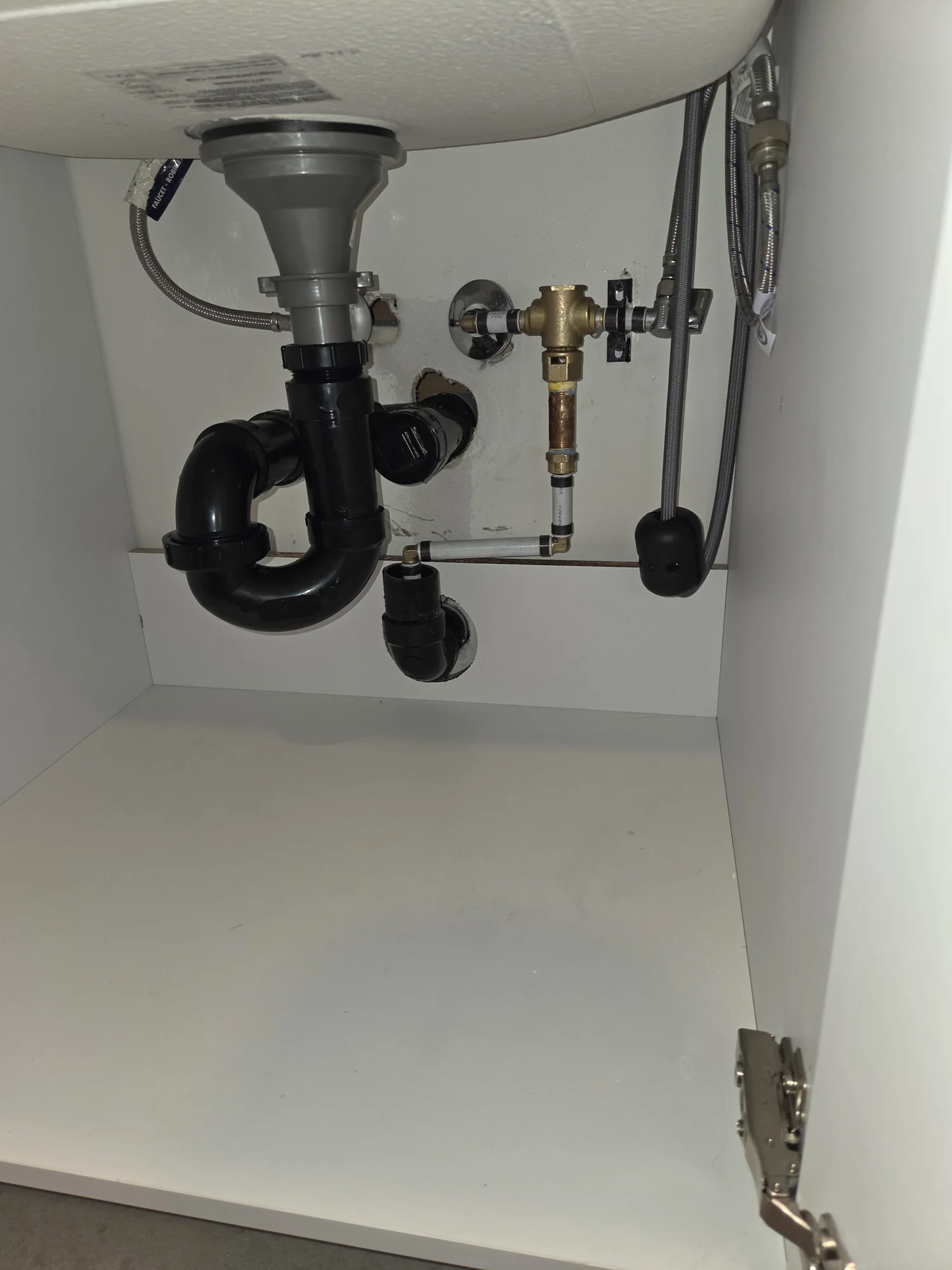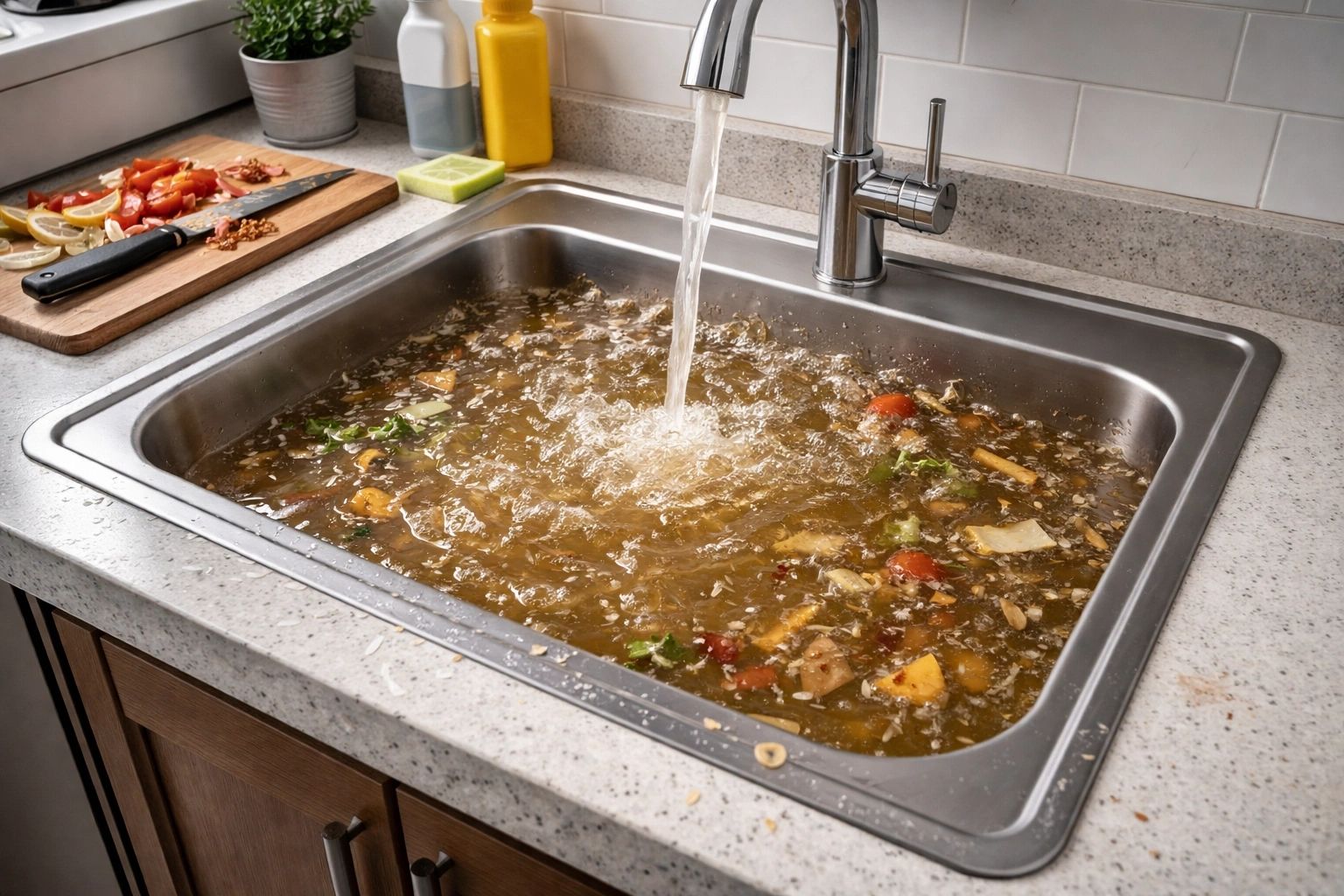
A single slow fixture may be a local restriction, while changes at several drains can point to a larger branch or sewer problem. The pattern matters more than any one sound or smell.
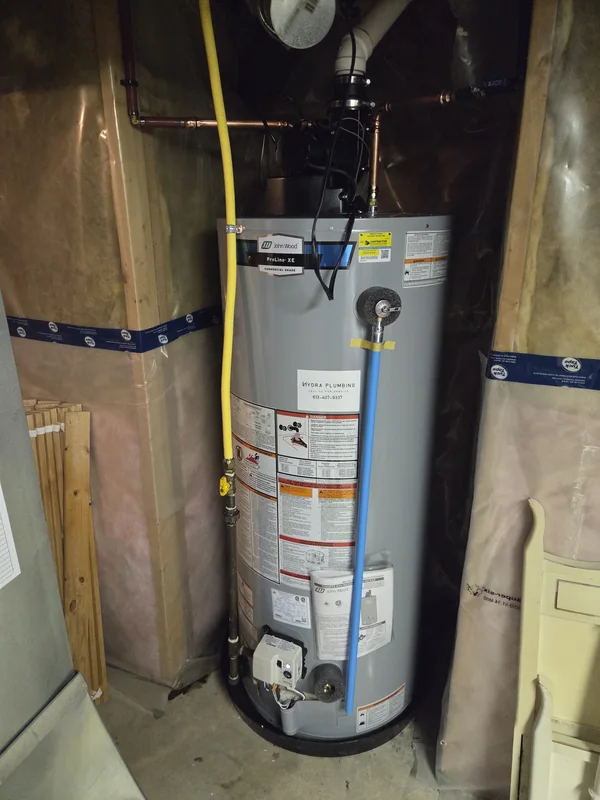
Do not open sealed fuel, electrical or pressurized equipment. If water is actively escaping or wastewater is present, call for service and keep clear of hazards.
The drain keeps slowing down
A recurring restriction usually needs more than another temporary surface treatment.
Several fixtures are affected
Slow drainage at multiple locations can indicate a shared branch or main-line concern.
Drains gurgle
Air moving through restricted drainage can create new gurgling sounds at nearby fixtures.
Odours return
Persistent sewer-like odours may point to a dry trap, venting issue or drainage problem that needs assessment.
Water appears at a lower drain
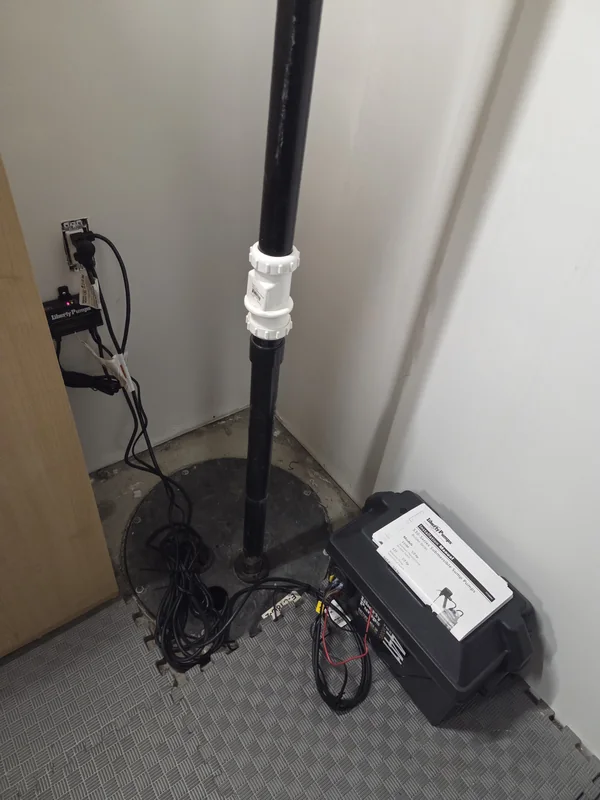
Backup at a floor drain, tub or lower fixture is a reason to stop using water and arrange service promptly.
The practical next step
Use the evidence you can observe, then get the system assessed.
Photos, timing and which fixtures are affected can all help. A qualified inspection turns those observations into a repair or replacement recommendation.