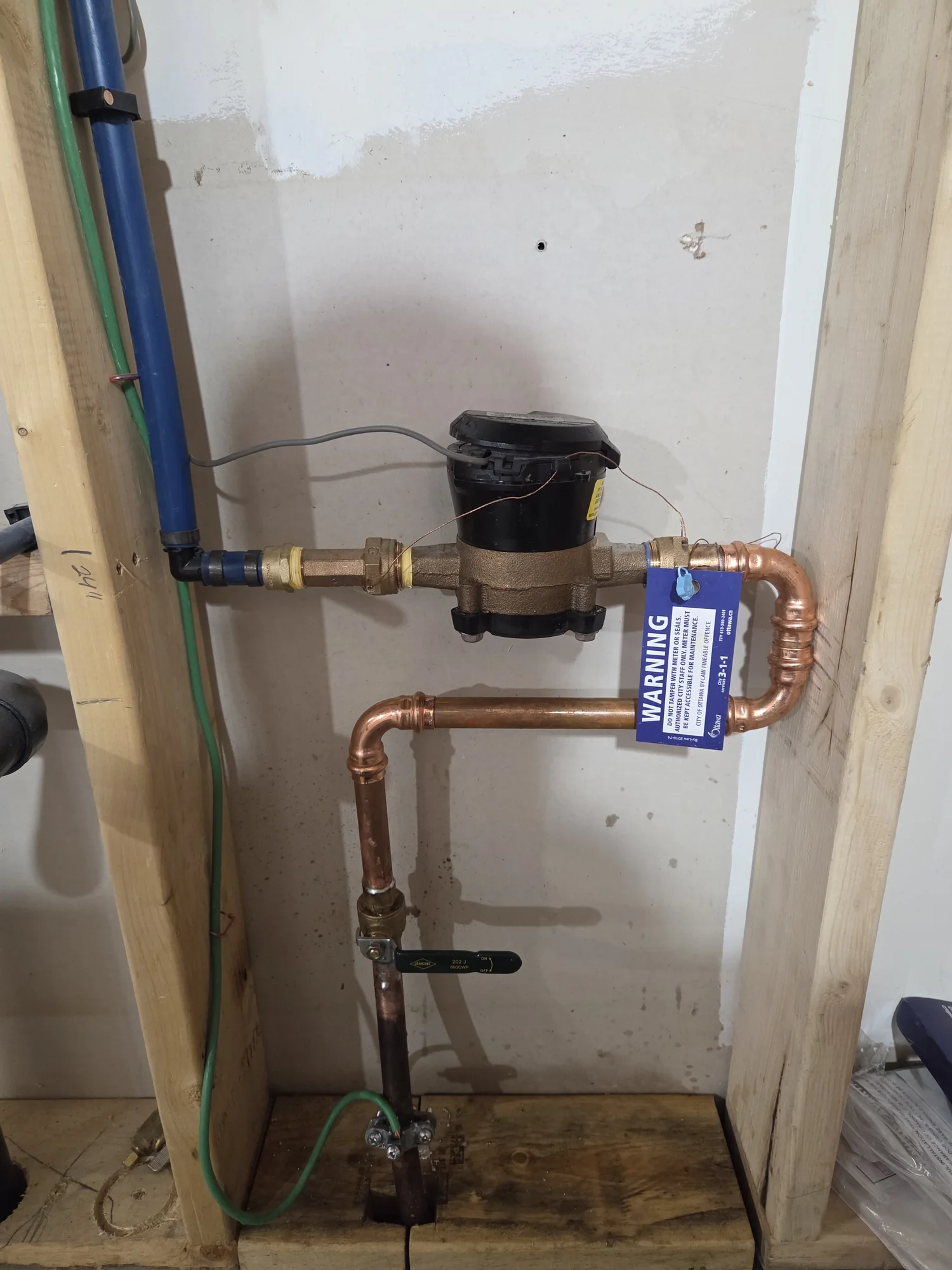
Leak detection and plumbing repair in Ottawa
Find where the water starts before repairing where it appears.
A ceiling stain, damp cabinet, changing water bill or unexplained sound can come from a fixture, supply line, valve, drain or hidden pipe. Hydra Plumbing traces visible and suspected plumbing leaks in Ottawa and Orléans, then explains the least disruptive practical repair.
We begin with when the symptom occurs, which fixtures are in use and how the water is moving through the property. Accessible connections, shutoffs, fixtures and nearby piping are checked before openings or replacement work are recommended. If restoration is required, the plumbing scope is explained so the next trade can continue.
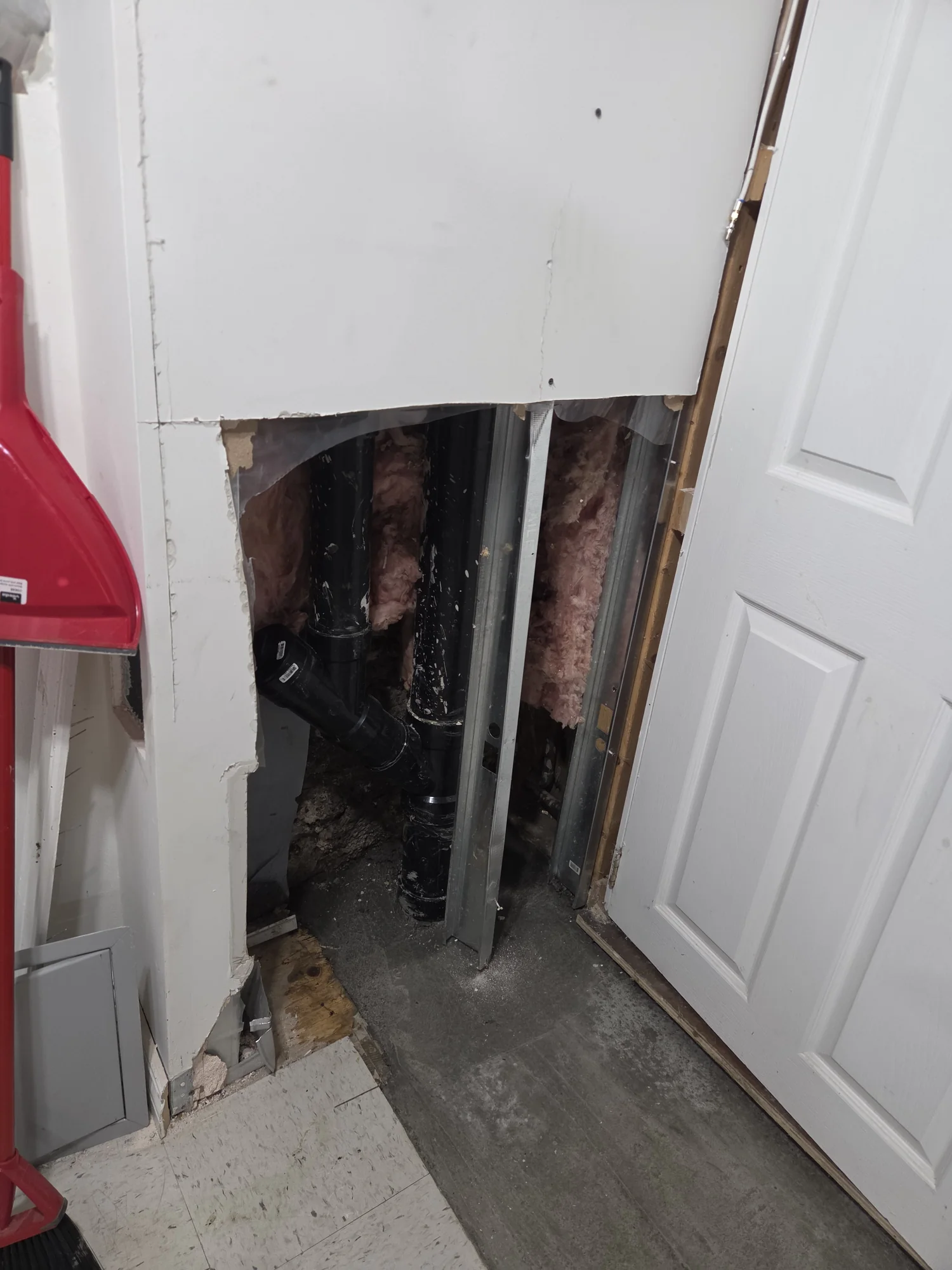
Start with the source
A leak can travel before it becomes visible.
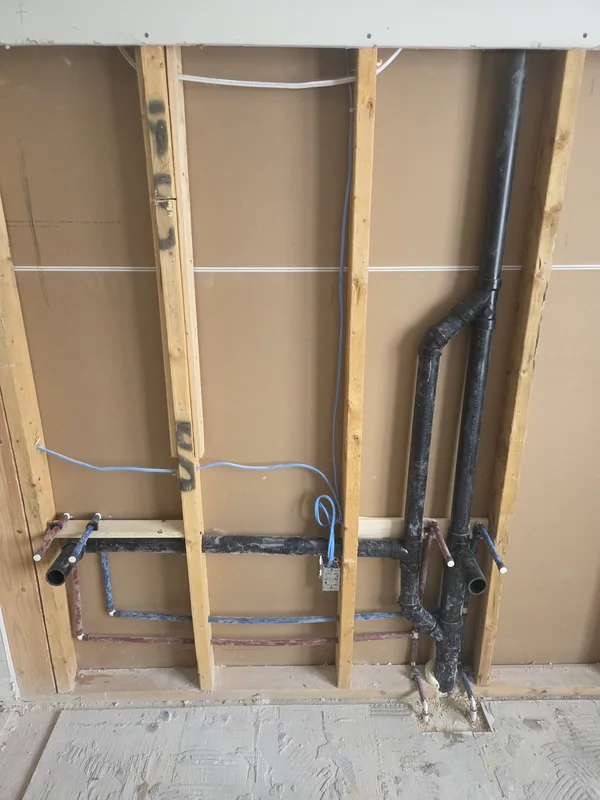
Water may follow framing, piping or finished surfaces and appear away from the failed connection. Distinguishing supply, drainage, fixture and condensation symptoms helps narrow the search and avoid repairing the wrong area.
Pressurized supply leaks
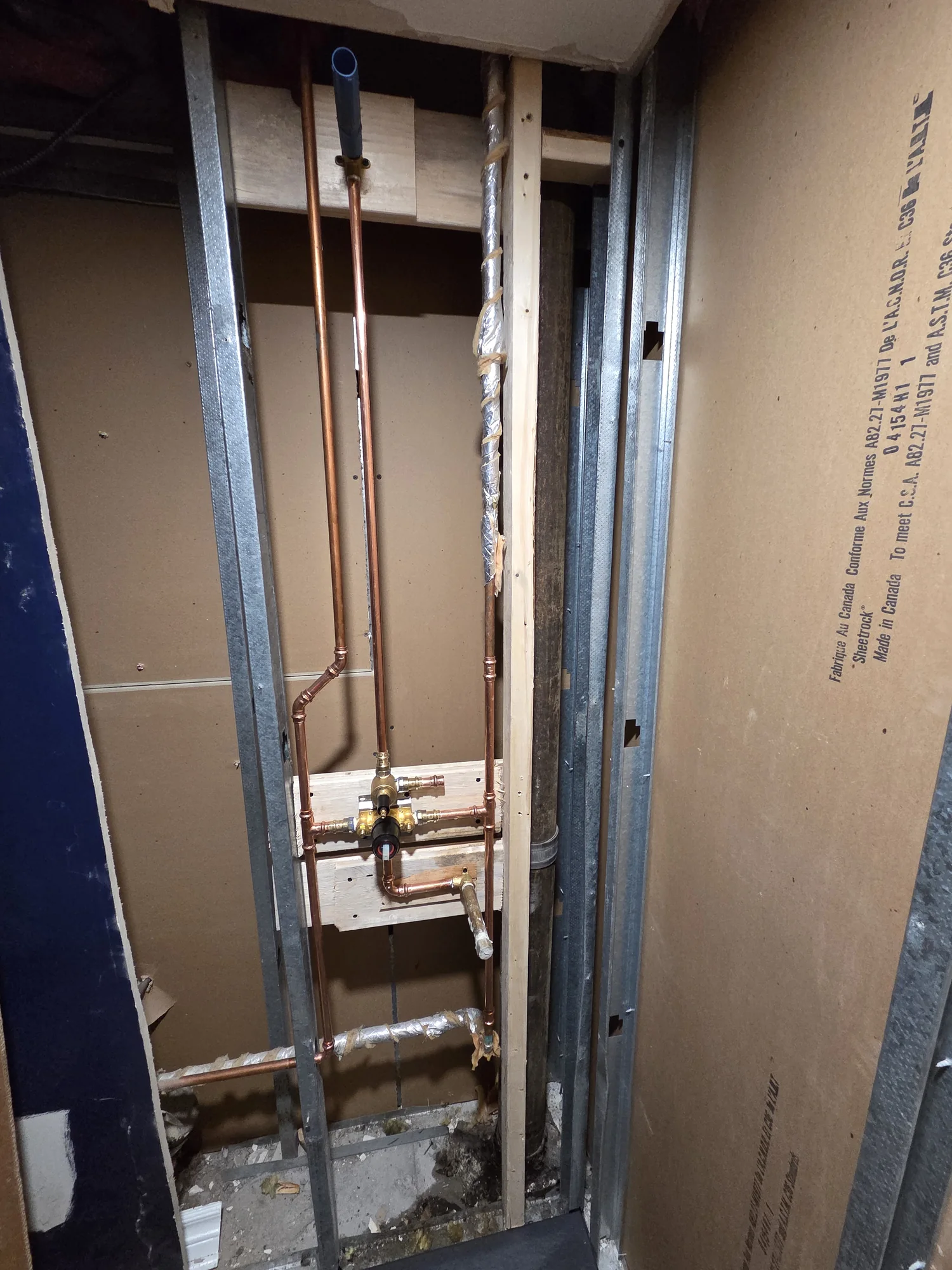
Supply leaks may continue whether or not a fixture is being used. Shutoffs, valves, fittings and accessible pipe runs help isolate the affected section.
Drain and fixture leaks
Drainage may only leak while a sink, shower, tub, toilet or appliance is operating. Controlled use can help reproduce the symptom and trace the connection.
Hidden moisture and restoration
Plumbing repair stops the water source. Wet materials, mould assessment, drying and finished-surface restoration may require other qualified specialists after the leak is controlled.
Possible leak symptoms
Arrange leak detection when water, staining or usage changes without a clear cause.
- Water or dampness appears below a sink, fixture or appliance
- A ceiling, wall or floor develops staining or soft material
- The water meter moves when fixtures should be off
- A water bill rises without a known change in household use
- You hear water moving when no fixture is operating
- A repair area dries and then becomes wet again
Leak detection visit
How we find and repair a plumbing leak.

Describe when and where the water appears
Tell us whether the leak is active or intermittent, which fixtures were in use and where staining, dampness or sound is noticed. Photos, timing and changes in the water bill can help narrow the likely source before the visit.

Check accessible plumbing and reproduce the symptom
We inspect nearby fixtures, supplies, shutoffs, drains and visible pipe, then operate connected plumbing where it is safe to do so. This helps separate a pressurized supply leak from drainage, fixture or non-plumbing moisture.

Explain access and complete the approved repair
If concealed plumbing must be reached, we explain the likely location and why an opening is needed before proceeding. The failed valve, fitting, fixture connection or pipe section is repaired or replaced according to the approved scope.

Test the repair and plan the next handoff
The connected plumbing is operated again and accessible repair points are checked for leaks. We explain any drying, mould assessment, cabinet work, flooring or wall restoration that may need to follow after the water source is controlled.
Pricing context
What affects leak-detection and repair scope.
- Whether the symptom is active, intermittent or already dry
- Supply, drainage, fixture, appliance or building-envelope source
- Access to shutoffs, connections and the suspected pipe run
- Finished walls, ceilings, cabinets or flooring around the leak
- Pipe material, condition and extent of damaged sections
- Drying, restoration or other-trade coordination after repair
Leak repair with a clear reason
Control the source while limiting unnecessary disruption.
Trace connected fixtures, valves and piping so the recommended work addresses where water is escaping.
Use symptoms and accessible checks to narrow the affected area before recommending destructive access.
Understand whether drying, cabinet work, flooring or wall restoration needs to follow once the leak is stopped.
Review nearby connections and pipe condition when the failed section suggests a broader concern.