A plumbing emergency feels chaotic, but the first few actions are straightforward: protect people, stop clean water when it is safe, keep away from sewage or electrical hazards and give the plumber a clear description of what is happening.
Do not open sealed fuel, electrical or pressurized equipment. If water is actively escaping or wastewater is present, call for service and keep clear of hazards.
Keep people away from the hazard
Move children, pets and valuables away from spreading water, weakened finishes and contaminated wastewater.
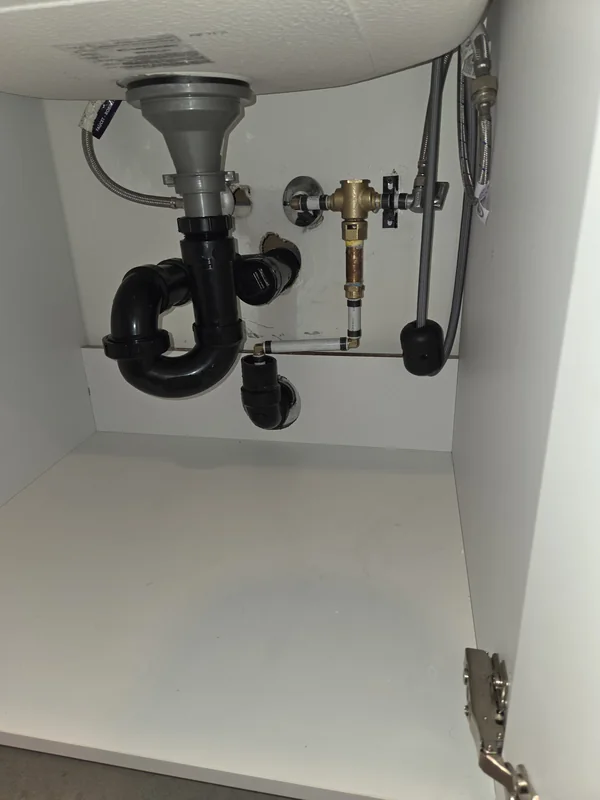
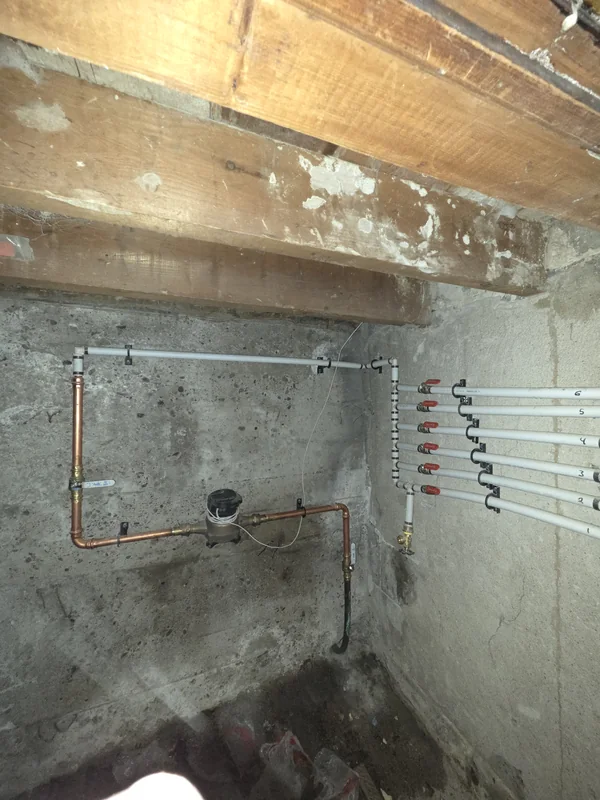
Stop the water if it is safe
Use the affected fixture shutoff or main water valve only when it is accessible and familiar.
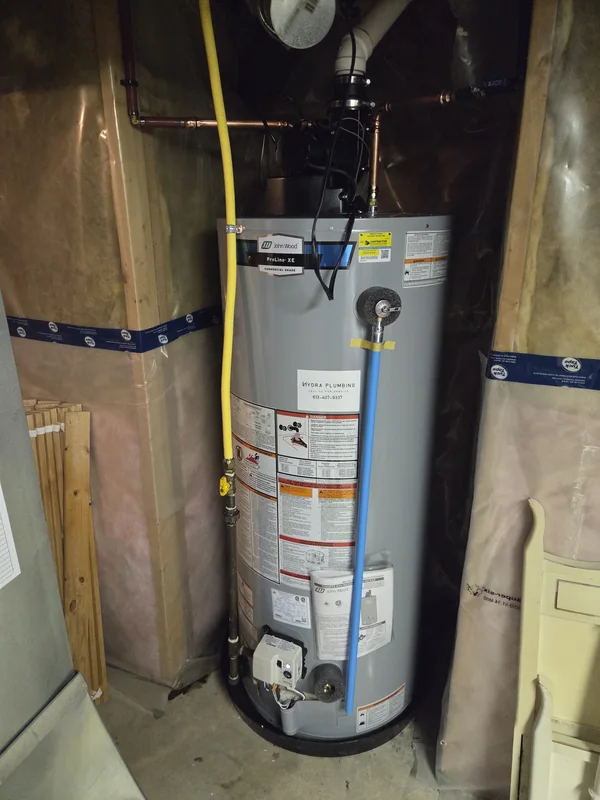
Protect electricity and heat
Do not enter standing water near electrical equipment or open fuel-fired appliances; call emergency services when conditions are unsafe.
Limit the spread
Use containers and towels for clean water, and move belongings without touching sewage-contaminated material.
Call with specific details
Share the address, water source, affected rooms, shutoff status and whether water is still moving.
The practical next step
Use the evidence you can observe, then get the system assessed.
Photos, timing and which fixtures are affected can all help. A qualified inspection turns those observations into a repair or replacement recommendation.