Reverse-osmosis systems in Ottawa
Improve drinking water at the tap without treating every gallon in the home.
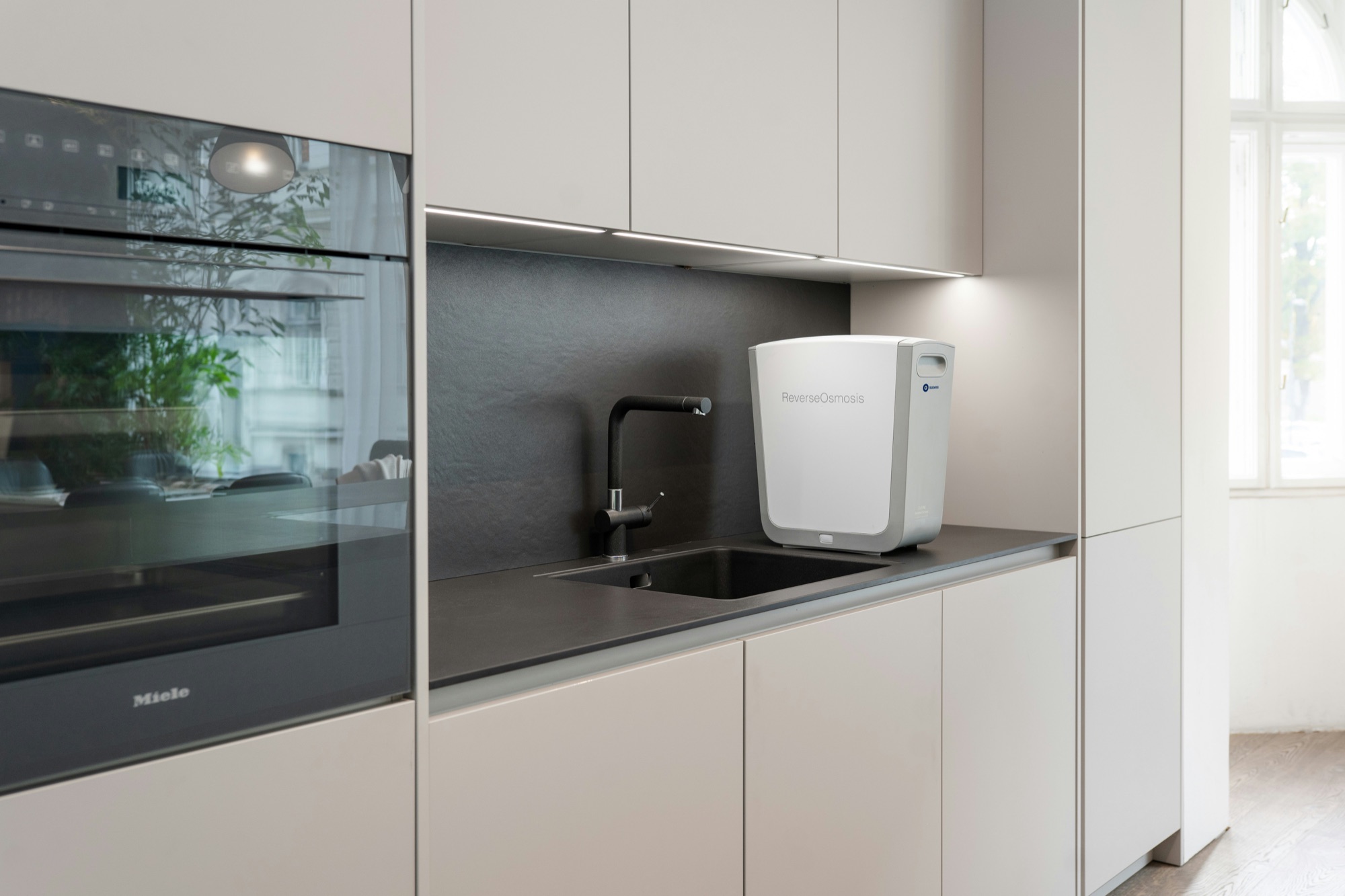
An under-sink reverse-osmosis system can provide dedicated drinking and cooking water where taste, dissolved minerals or specific water concerns make point-of-use treatment worthwhile. Hydra Plumbing installs and services appropriate RO systems for Ottawa and Orléans homes as an iSpring dealer.
We review the source water, available cabinet space, faucet location, drain connection, household use and filter-change expectations. Municipal water and private-well water can require different pretreatment, and water with a health concern should be tested before equipment is selected.
Point-of-use treatment
Match the RO system to the water concern and the kitchen.
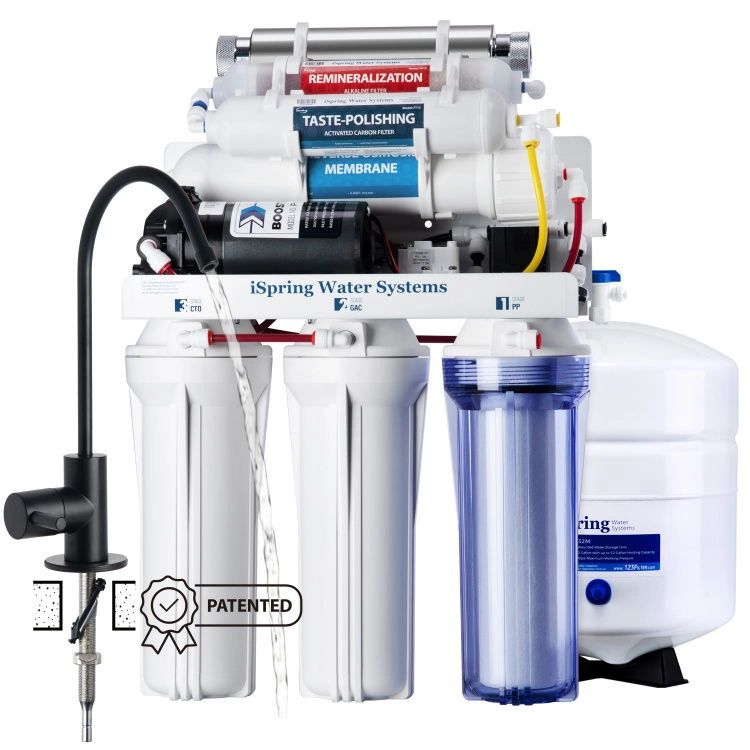
Reverse osmosis uses a membrane and staged filtration to treat water at a dedicated faucet. The system needs suitable pressure, drainage, storage or direct-flow capacity and regular filter service to deliver the expected result.
Municipal drinking water preferences
Some households choose RO to change taste or reduce selected dissolved substances in drinking and cooking water. The goal should be defined before adding unnecessary stages.
Private-well considerations
Rural well water may include hardness, sediment, iron, odour or microbiological concerns that affect RO performance. Testing and appropriate pretreatment may be required before the membrane.
Filters, membrane and storage
Filter schedule, membrane condition, storage-tank capacity or direct-flow output affect daily convenience. Owners should understand routine service before installation.
When RO is worth considering
Compare point-of-use treatment when drinking water is the main concern.
- You want a dedicated source for drinking and cooking water
- Taste or dissolved-mineral concerns remain after basic filtration
- Bottled-water storage and disposal have become inconvenient
- A rural well has been tested and needs targeted point-of-use treatment
- An existing RO faucet has slow flow or changing taste
- Filters or a membrane are due for service or replacement
Kitchen RO installation process
What to expect when we install reverse osmosis under the kitchen sink.

Plan the kitchen layout
We confirm cabinet space, the cold-water feed, drain access and a practical location for the dedicated drinking-water faucet. Countertop material and any requested refrigerator connection are reviewed before drilling or installation.

Install the RO equipment
The filters, membrane, storage tank or direct-flow unit are positioned for reliable operation and future service. Supply and drain connections are completed without blocking normal cabinet use.

Connect the drinking-water tap
The dedicated faucet is installed in an approved sink or countertop opening and connected to the treated-water line. An optional refrigerator or ice-maker line can be included when it is part of the agreed scope.

Flush, test and explain maintenance
The system is flushed and checked for leaks, pressure and normal flow. Before handoff, we explain filter changes, membrane service and the signs that the system may need attention.
Pricing context
What affects reverse-osmosis installation cost.
- Water test results and treatment objective
- Number of stages, membrane type and output
- Storage-tank or direct-flow system design
- Cabinet space, faucet drilling and drain access
- Feed pressure and pretreatment requirements
- Filter, membrane and sanitizing maintenance schedule
Drinking-water treatment with a clear target
Improve the water you consume most without overcomplicating the system.
Focus the system under the kitchen sink instead of sending every household fixture through an RO membrane.
Use water conditions and household priorities to avoid paying for filters that do not address the actual concern.
Match storage or direct-flow capacity to normal drinking, kettle and cooking demand.
Leave the installation with a clear understanding of filter, membrane and sanitizing responsibilities.